
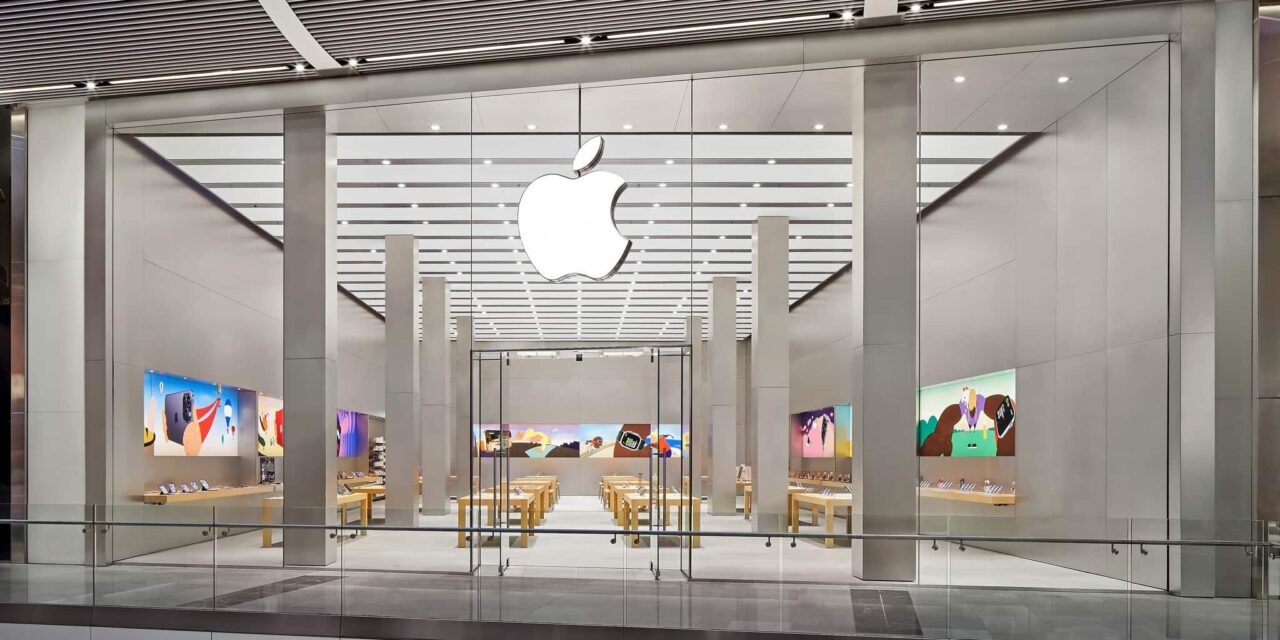
Apple (NASDAQ: AAPL) is set to introduce a new range of smart home products, including a wall-mounted or tabletop device resembling an iPad designed to showcase its upgraded Siri virtual assistant.
The anticipated launch is part of Apple’s broader effort to expand its presence in the connected home market, where it has competed for years against Amazon and Google without establishing a dominant position.
The new product lineup is expected to offer centralized control over connected household devices, including video doorbells, thermostats and smart locks.
Analysts have also suggested Apple could unveil updated versions of its HomePod smart speaker and Apple TV alongside the new smart home hub.
The announcements arrive as Apple seeks additional hardware growth opportunities while facing intensifying competition in artificial intelligence and regulatory pressure on its services business.
Apple introduced its Home application in 2016, followed by the HomePod smart speaker in 2018, marking roughly a decade of investment in the connected home space.
Despite that history, the company has faced sustained competition from Amazon’s Echo speakers and Google’s Home devices, which established early leads in the smart home category.
A key challenge for Apple has been ensuring compatibility with smart home products manufactured by third-party companies, a hurdle a centralized hub device could help address.
Bob O’Donnell, chief analyst at TECHnalysis Research, acknowledged the potential of AI improvements but noted significant obstacles remain for Apple in this market.
“Advances in AI should finally make a difference, but Apple still needs to show whether it can simplify connectivity and work with devices across the wider smart home market rather than restricting users to its own ecosystem,” O’Donnell said.
Apple improved Siri’s capabilities during the summer with assistance from Google, seeking to address limitations in the assistant’s ability to respond to questions and carry out more complex requests.
O’Donnell’s comments underscored that interoperability with third-party devices may be just as critical to success as any improvement in Siri’s underlying intelligence.
Amazon.com (NASDAQ: AMZN) has invested heavily in connected home technology through its Echo smart speakers and Ring video doorbells, and also introduced premium tablets recently to expand its consumer hardware range.
Alphabet’s Google (NASDAQ: GOOGL) remains a formidable competitor through its Google Home devices and the broader suite of smart home services connected to its ecosystem.
Newer artificial intelligence companies, including OpenAI, are also exploring consumer hardware opportunities, adding further competitive pressure on established technology manufacturers.
Apple’s strategy centers on combining its existing hardware ecosystem with improved voice assistance and a unified interface for managing household devices.
The company’s services business has faced regulatory scrutiny, making the identification of new hardware revenue streams increasingly important to Apple’s overall growth outlook.
Smart home devices could provide an additional category through which Apple deepens customer relationships and encourages broader use of its existing products and services.
Investors and consumers will be closely watching for details about device compatibility, Siri’s expanded capabilities and whether the new products can genuinely simplify smart home installation for mainstream users.
