
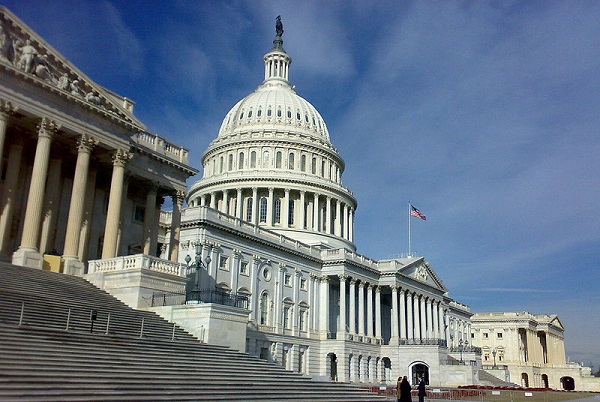
With momentum firmly on their side heading into the final weeks before the midterm elections, Democrats appear poised to retake control of the House and potentially the Senate.
Yet as the prospect of a major electoral victory becomes increasingly real, a pressing question is beginning to surface within the party itself.
What exactly do Democrats plan to do with power if they win it?
According to an analysis by Karen Tumulty, the party currently lacks a specific plan for governing beyond turning back President Trump and holding him accountable.
That posture has proven politically effective in the short term, giving Democrats a unified message that energizes their base and attracts swing voters frustrated with the current administration.
But winning an election and governing a country are two fundamentally different challenges, and critics within and outside the party are beginning to draw that distinction sharply.
Historically, opposition parties that campaign primarily against a sitting president without offering a bold affirmative agenda have struggled to maintain cohesion once in office.
The absence of a detailed policy platform leaves Democratic candidates free to tailor their messages to local concerns, but it also creates uncertainty about what a Democratic-led Congress would prioritize come January.
Issues like healthcare costs, housing affordability, and economic inequality remain deeply important to Democratic voters, yet no unified legislative roadmap has emerged to address them heading into Election Day.
With the political winds blowing strongly in their favor, Democrats may well secure the majorities they are seeking, but the harder work of defining what those majorities stand for is a challenge the party has yet to fully confront.
