
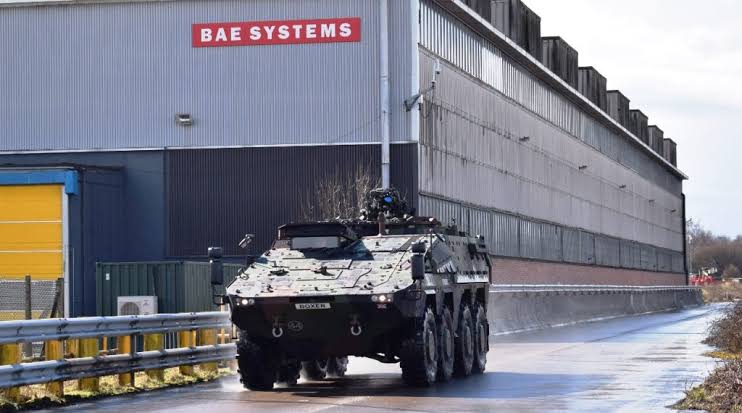
BAE Systems (LSE: BA.), the British aerospace and defense giant, edged lower on October 9, 2026, trading at EUR 21.75 on Lang & Schwarz, a decline of 0.23 percent from the prior close of EUR 21.80.
The London Stock Exchange quote stood at GBp 1,845 as of 3:57 p.m. CEST, placing the stock’s valuation at a price-to-earnings ratio of 26.3 against peers in the broader defense sector.
At that London price, BAE Systems sits 21.82 percent below its 52-week high of GBp 2,360, though it remains comfortably above its 52-week low of GBp 1,529 recorded over the same annual range.
Session trading volume came in at 825,864 shares, a notably lighter figure compared to the stock’s average volume of 5,693,346 shares, suggesting reduced investor activity on the day.
The company carries a market capitalization of EUR 64.2 billion and offers shareholders a dividend yield of 2.21 percent, according to data recorded on October 9, 2026.
BAE Systems’ investor relations figures for the first half of 2026 show GBP 15.772 billion in sales and GBP 1.701 billion in underlying EBIT, reflecting the scale of the company’s ongoing operations.
First-half earnings per share came in at GBp 38.9, while the order backlog reached GBP 84.0 billion, providing a substantial contracted revenue base extending well into future reporting periods.
Eight analysts tracked by MarketBeat as of October 3, 2026 held a consensus Hold rating on the stock, with an average 12-month price target of USD 113.00, signaling limited near-term upside expectations.
The next key calendar date for investors is October 22, 2026, when the final ex-dividend date is scheduled, a milestone that typically influences short-term trading patterns among income-focused shareholders.
Among comparable defense names, Rheinmetall traded down 0.12 percent with a P/E of 60.61 and a market capitalization of EUR 43.6 billion, while Leonardo gained 1.21 percent with a P/E of 23.77 and a market capitalization of EUR 26.7 billion.
BAE Systems’ P/E of 26.3 sits between those two peers, positioning the stock as relatively more moderately valued than Rheinmetall while carrying a slight premium over Leonardo’s current multiple.
The stock’s FTSE 100 membership and primary listing on the London Stock Exchange continue to draw institutional attention, even as the lighter session volume points to a period of consolidation rather than directional momentum.
