
RTX Corporation (NYSE: RTX) continues to accumulate defense contracts at a steady pace, yet concerns about commercial aerospace and defense budget assumptions are creating uncertainty among investors.
During the October 5 episode of Mad Money, a caller asked Jim Cramer why RTX had recently weakened, prompting a detailed response about the dual pressures facing the company.
Cramer pushed back firmly on the idea that defense budgets have peaked, stating: “Okay, so people feel that, for some reason, of which I disagree, that the defense budget has peaked and we’re not going to put any more money into defense, that enough has been spent. Meanwhile, RTX keeps getting contract after contract after contract.”
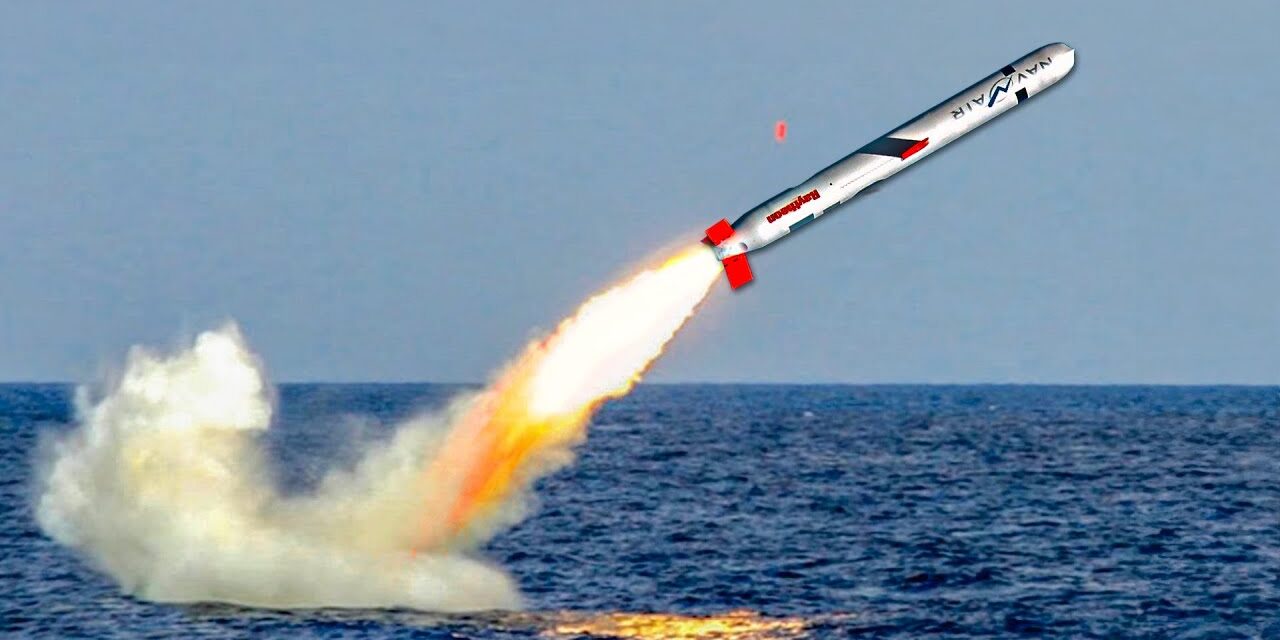
On September 28, RTX’s Raytheon business announced an AMRAAM production contract valued at up to $20.7 billion, covering five years with two additional option years and supporting a significant increase in missile production capacity.
RTX reported second-quarter sales of approximately $24.7 billion, representing a 14% increase year over year, while adjusted earnings per share came in at $1.89, a 21% improvement over the prior-year period.
The company’s backlog reached $289 billion, comprising $170 billion in commercial orders and $119 billion in defense orders, giving management substantial revenue visibility heading into the next several years.
Management raised its full-year adjusted EPS outlook to a range of $7.10 to $7.25, up from a prior guidance range of $6.70 to $6.90, reflecting confidence in the underlying business trajectory.
Cramer did, however, identify commercial aerospace as a meaningful risk, explaining: “It also has aerospace, commercial aerospace, and anything touching commercial aerospace has been weak because people feel with oil this high, it’s only a matter of time before the airlines cut their purchasing of planes. It has not happened, but my Charitable Trust has done very poorly in Boeing. I always like to play with an open hand. It’s done poorly, and it just bothers me tremendously. But RTX is pretty much in the same situation.”
Pratt & Whitney’s latest quarterly commercial aftermarket sales increased 25%, even as commercial original-equipment sales declined 8%, highlighting the uneven performance within RTX’s aviation business.
RTX also continues to manage costs associated with the Pratt & Whitney powder-metal issue, with its second-quarter filing estimating an approximately $700 million cash impact in 2026, including customer credits and the timing of partner recoveries.
At approximately 24.9x forward earnings, RTX trades below GE Aerospace’s 36.9x multiple but above Lockheed Martin’s 16.6x, reflecting its hybrid position between commercial aviation and pure-play defense peers.
On the institutional side, 92 hedge funds held RTX in the second quarter, down slightly from 95 in the first quarter, according to Insider Monkey data, with Fisher Asset Management holding the largest stake at 22.9 million shares.
Point72 Asset Management and D E Shaw substantially increased their holdings in RTX by 62% and 116%, respectively, signaling that some institutional investors remain constructive on the stock despite recent softness.
Short interest stood at just 1.01% of the float, suggesting that direct bearish positioning against RTX remains limited even as the stock faces multiple headwinds in the near term.
RTX’s expanding order book and raised earnings guidance provide a solid foundation, but investors will need to weigh engine-related cost pressures and commercial aviation exposure alongside the company’s undeniable defense momentum.
