
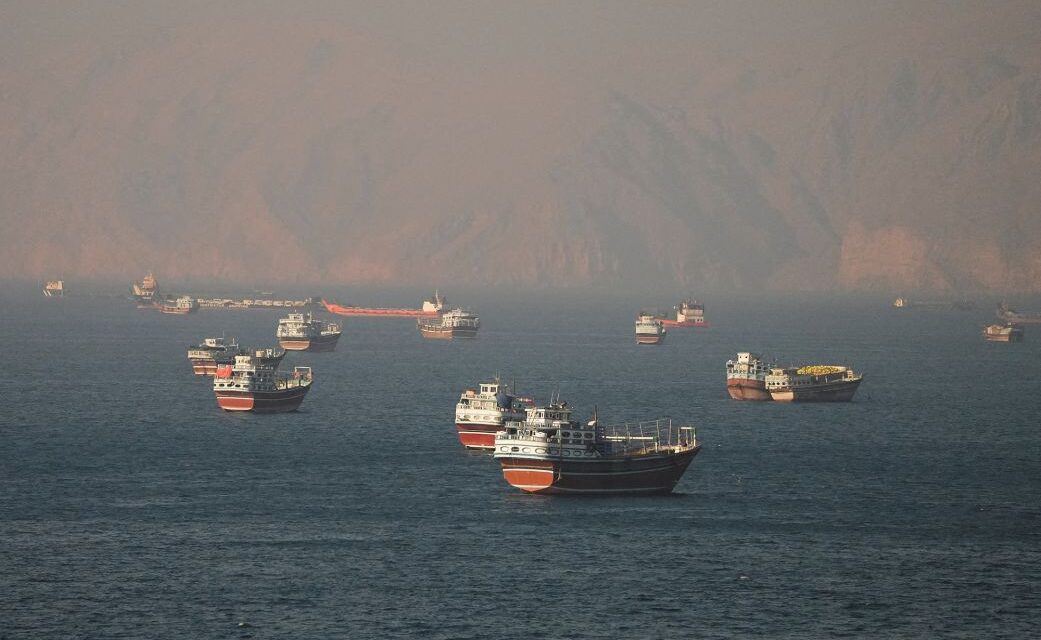
Brent crude climbed back above $100 per barrel on Thursday as Iranian attacks on tankers in the Strait of Hormuz intensified and U.S. Gulf of Mexico operators began shutting in production ahead of a potential hurricane.
At the time of writing, Brent crude was trading at $102.50 per barrel, up more than 2% from Wednesday’s close, while West Texas Intermediate was changing hands at $89.96 per barrel, a gain of 1.90%.
Oil had moved lower earlier in the week following an update from the International Energy Agency, which said it would soon decide how to begin releasing 100 million barrels of crude and fuels agreed upon by the G7.
Some market observers were quick to point out that the planned release is not a new measure, but part of a broader strategy announced in March to release approximately 400 million barrels from inventory to cushion the impact of war on fuel prices.
With that release largely priced in by markets, fresh reports of escalating Iranian aggression in the Strait of Hormuz provided the catalyst needed to push prices sharply higher on Thursday.
According to new data from a U.S. Navy-led information outlet, as reported by Reuters, there were a dozen separate attacks on tankers between September 28 and October 2 alone.
The surge in attacks has caused tanker traffic through the critical waterway to drop sharply, with flows this past Tuesday falling to their lowest level since late July, according to data from Kpler.
Attacks on vessels sailing through the Strait of Hormuz reached their highest weekly total since the Iran war began last week, coinciding with a period of increased crude exports from Gulf producers.
The expansion of attacks is occurring as more crude flows out of the Gulf, but at significantly higher costs and greater risk to cargoes and crew members aboard affected vessels.
In the most recent incident, a tanker north of Qatar was struck by multiple projectiles, causing casualties, according to the United Kingdom Maritime Trade Operations agency, which issued a statement on Wednesday.
Saul Kavonic, head of energy at MST Marquee, offered a stark assessment of the trajectory, stating: “The frequency of Iranian attacks on ships is now at the highest point since the war began, and likely to intensify further.”
The dual pressure of supply disruption risk in the Strait of Hormuz and potential hurricane-related shutdowns in the U.S. Gulf of Mexico has reinforced bullish sentiment across global oil markets heading into the weekend.
