
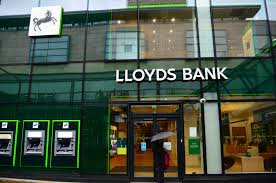
Lloyds Banking Group (LSE: LLOY) shares have been retreating from recent highs, with the stock easing back to 103p after touching a peak of 117p earlier in the year.
Market nerves appear to be building ahead of the UK government’s Autumn Budget, with Chancellor John Healey set to deliver his fiscal statement following Prime Minister’s Questions on October 28.
Rumours circulating in financial markets suggest the Chancellor is considering introducing a windfall tax targeting Britain’s banking sector specifically.
The justification being floated is that banks have enjoyed strong profitability on the back of elevated interest rates, which tend to widen lending margins considerably.
In Lloyds’ case, the dividend has doubled since 2021, a figure that may attract unwanted attention from a government looking for revenue.
Reports indicate that Healey has already warned bosses of Britain’s biggest banks that the government is in a “difficult fiscal position,” adding credibility to speculation about a sector-specific levy.
The government faces a tight balancing act, needing to preserve fiscal headroom while honoring pre-election pledges not to raise taxes on working people, such as income tax or VAT.
That constraint leaves few revenue options on the table, and banks are widely seen as politically easier targets, given that few ordinary voters are likely to oppose a tax on financial institutions.
One middle-ground outcome being discussed is a reversal of the Bank Surcharge cut, which would effectively push the tax rate on bank profits from 28% back up to 33%, painful but unlikely to be catastrophic for sector profitability.
A one-off windfall tax raid would likely cause limited lasting damage to Lloyds’ share price, while a large and permanent levy on banking profits could do more serious harm to the sector’s long-term outlook.
Despite the budget uncertainty, interest rate expectations may provide a meaningful offset for Lloyds and its peers, with higher rates in the 4% to 5% range continuing to underpin banking sector strength.
The Bank of England’s long-term inflation target points toward rates eventually returning to 2%, but persistent inflationary pressures linked to elevated fuel costs mean that timeline remains uncertain.
The US has already raised borrowing costs by 25 basis points, with markets pricing in further hikes over the coming year, a dynamic that broadly supports bank profitability in the near term.
On balance, a windfall tax on Lloyds and its peers appears increasingly likely, but analysts suggest the impact, while real, is unlikely to fundamentally alter the investment case for the bank.
