
Nio (NYSE: NIO) and Tesla (NASDAQ: TSLA) share a foundational belief that dominance in the electric vehicle market extends well beyond building compelling cars.
Both companies recognize that the true competitive battleground lies in the underlying infrastructure that powers and supports those vehicles on the road.
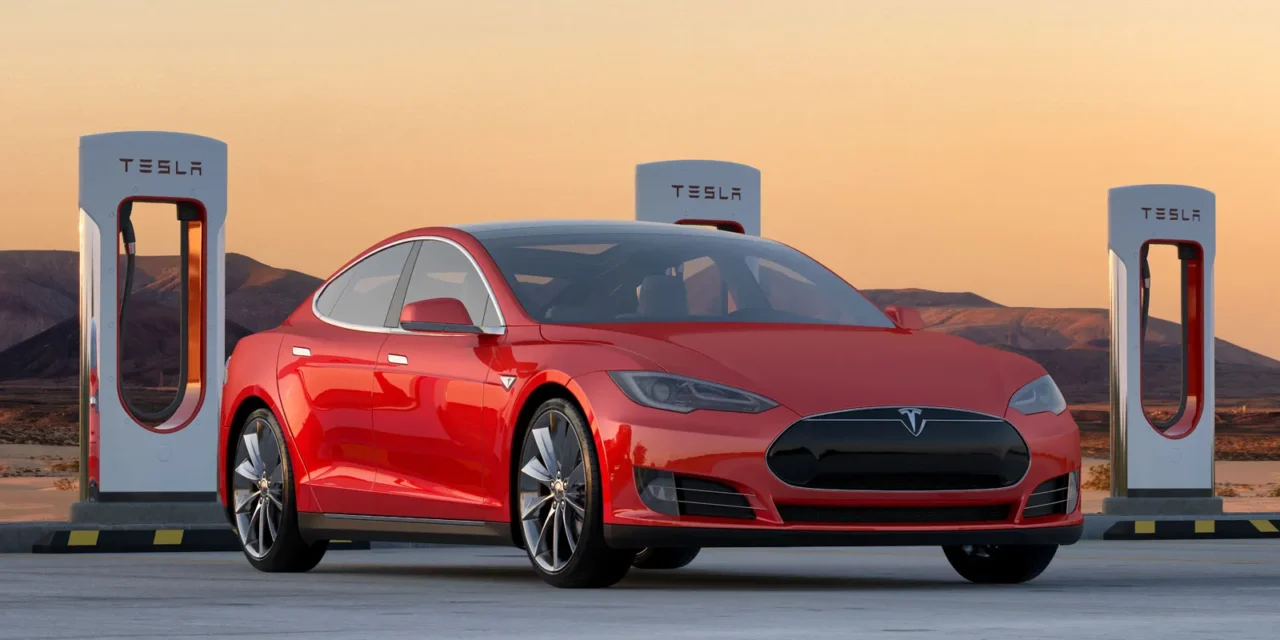
Tesla moved early and decisively, constructing its own proprietary Supercharger network at a time when most automakers were still dismissing the importance of charging convenience.
That early commitment gave Tesla a structural advantage that competitors have since struggled to close, cementing its position as the default infrastructure standard across North America.
Tesla then made what analysts widely regard as a masterstroke, opening up its proprietary plug design as the North American Charging Standard, known as NACS.
The company distributed adapters to legacy automakers Ford Motor Company and General Motors, as well as younger EV maker Rivian, effectively converting competitors’ customers into Tesla Supercharger network revenue.
By transforming a proprietary standard into an industry-wide format, Tesla turned what could have been a walled garden into a monetized, open ecosystem that it still controls.
Nio’s battery-swap network represents a similarly ambitious infrastructure bet, offering drivers the ability to exchange a depleted battery for a fully charged one in minutes rather than waiting at a charger.
The battery-swap model addresses range anxiety in a fundamentally different way from Tesla’s charging approach, and Nio has invested heavily in building out that network at significant up-front cost.
The critical question for Nio investors is whether the company can replicate Tesla’s strategic leap, moving from a proprietary system serving only its own customers to a broader platform that generates revenue across the wider EV market.
If Nio can persuade other automakers to adopt its battery-swap standard, the network transitions from a costly liability into a durable competitive advantage with expanding revenue streams.
Tesla demonstrated that being first to build infrastructure and then opening it strategically is a formula that can reshape an entire industry’s economics in the pioneer’s favor.
Nio has the technology and the network footprint, but the company must now execute the harder strategic play of converting that investment into a scalable, monetizable platform before rivals close the gap.
For investors watching Nio’s trajectory, the battery-swap network may have finally signaled a turning point, though the company’s ability to follow Tesla’s playbook will ultimately determine whether that potential translates into meaningful shareholder returns.
