
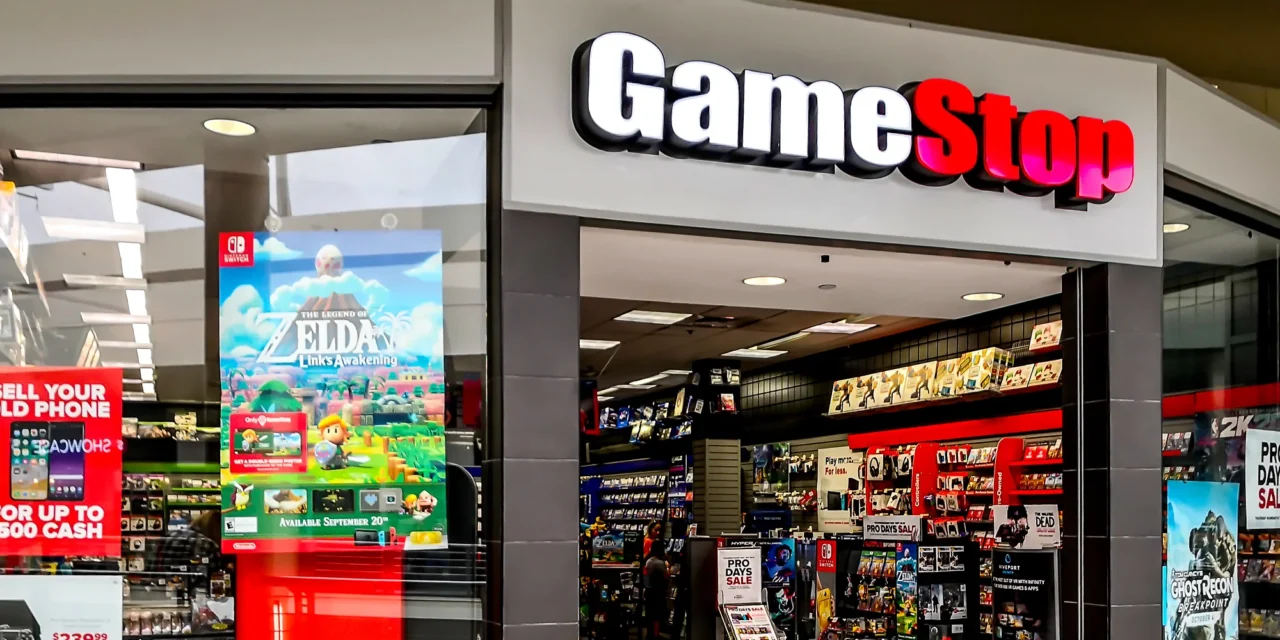
GameStop (NYSE: GME) shares have climbed 35% over the past month, reaching $25.63, while the broader video game sector posted only modest gains by comparison.
Securities and Exchange Commission Form 4 filings confirmed that every insider transaction recorded at GameStop during the period was an open-market purchase, with no sales reported at all.
Ryan Cohen, the company’s chairman, president and chief executive officer, was the largest buyer among insiders, executing a single purchase of 700,000 shares in early October.
Directors Nat Turner, Alain Attal, James Grube and Lawrence Cheng each made open-market purchases alongside Cohen over the same stretch, reinforcing the cluster buying signal.
The insiders paid progressively higher prices throughout the month, starting below $19 per share in the earliest trades and rising above $24 on Cohen’s early October purchase.
That pattern of buying into strength, at each step paying more than the last, reflected a clear and repeated expression of conviction from the people closest to the business.
The rally in GameStop stock stood apart from its gaming sector peers, with Take-Two Interactive (NASDAQ: TTWO) falling 6% over the same period and Roblox (NYSE: RBLX) rising only 7%.
The VanEck Video Gaming and eSports ETF (NASDAQ: ESPO), which holds GameStop, Take-Two and Roblox among its positions, gained just 2% over the month, while the SPDR S&P 500 ETF Trust (NYSEARCA: SPY) advanced less than 1%.
Because GameStop’s move diverged so sharply from both the gaming fund and the broad market, the rally rested almost entirely on the company’s own specific story rather than sector or macro tailwinds.
Form 4 filings disclose insider trades after the fact, meaning that by the time the purchases became public, the move they accompanied had already run considerably higher.
Any investor following Cohen into the stock at $25.63 would be paying more per share than Cohen himself paid during his largest single purchase in early October.
Cluster insider buying with no offsetting sales remains a genuine signal of internal confidence, but timing and entry price determine whether that signal translates into a useful opportunity for outside investors.
Shareholders will likely look to GameStop’s next reported financial results to determine whether the insiders’ conviction is backed by underlying numbers, since purchases establish belief but only reported figures can confirm value.
Strong results would validate the insider buying pattern, while softer figures could leave the month’s 35% gain exposed to a pullback given how far the stock has already moved.
Investors holding GameStop shares should account for the company-specific risk that drove this rally, recognizing that broader gaming exposure through funds like ESPO would not have captured or hedged this move.
