
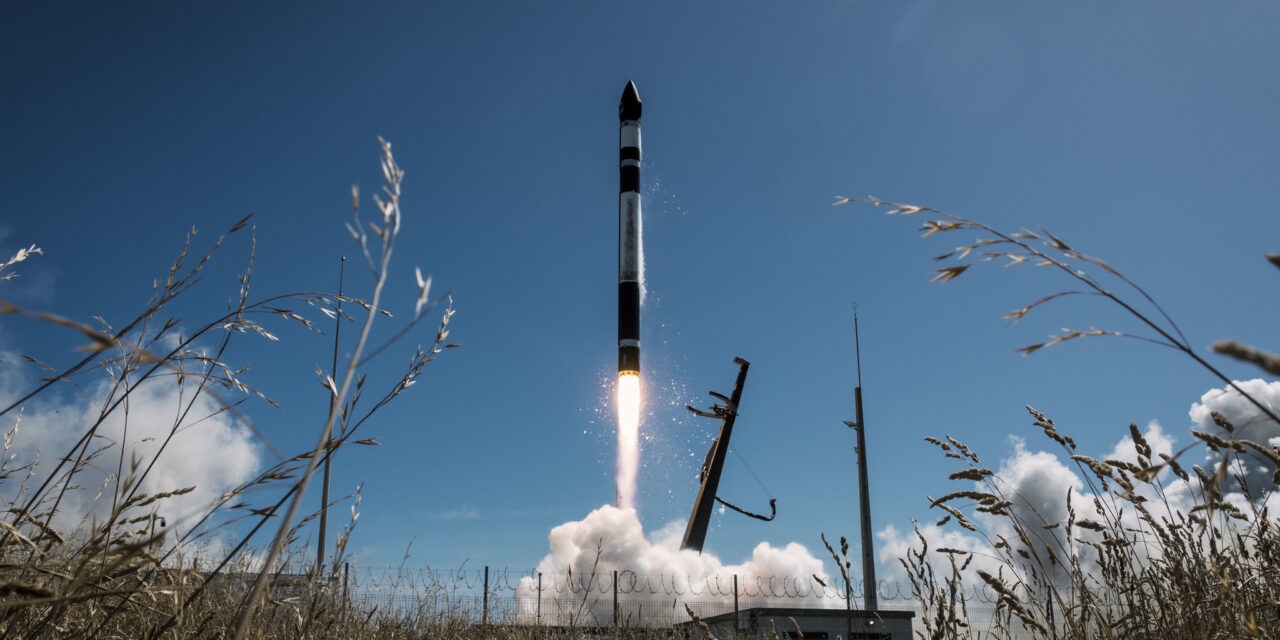
Rocket Lab Corporation (NASDAQ: RKLB) announced in late September 2026 a multi-year agreement to launch 20 Electron missions for Japanese Earth-observation firm Synspective, marking the largest commercial launch deal in Electron’s history.
The contract covers annual launches from Launch Complex 1, carrying Synspective’s StriX synthetic aperture radar satellites to sun-synchronous orbit from 2028 through 2031.
The deal lifts Rocket Lab’s total backlog above 100 missions, a symbolic and operationally significant milestone that signals sustained demand for small satellite launch services.
Synspective’s StriX constellation is designed to provide continuous global Earth-imaging capability, and Rocket Lab’s multi-year cadence now sits at the center of that expansion plan.
For investors, the contract reinforces Electron’s position as a high-cadence small-launch workhorse and reduces the near-term revenue “lumpiness” risk that has historically weighed on Rocket Lab’s launch book.
The broader investment thesis around Rocket Lab still requires confidence that the company can convert a growing launch and space systems backlog into sustainable profitability, even while funding heavy Neutron rocket development and mergers and acquisitions activity.
Rocket Lab’s US$1.944 billion equity raise, announced to fund the pending Iridium acquisition, underscores management’s strategy of expanding vertically into higher-value space systems and communications infrastructure.
That capital raise amplifies both the potential benefits of large, multi-year contracts like Synspective’s and the risks around dilution and execution if program timelines or contract awards slip.
Analyst projections for Rocket Lab vary widely, with the most optimistic forecasters modeling revenue near US$2.2 billion and earnings around US$365 million by 2029, contingent on Neutron successfully addressing cash burn and contract timing risks.
A more conservative consensus narrative treats those same execution challenges as core risks, with one fair value estimate placing the stock at US$109.37, representing approximately 48% upside to its price at the time of the analysis.
Revenue projections tied to Rocket Lab’s current narrative point toward US$2.0 billion in revenue and US$147.4 million in earnings by 2029, a trajectory the Synspective contract does meaningful work to support.
The Neutron rocket program remains the single most consequential near-term catalyst and risk factor, as its test progress will heavily influence whether Rocket Lab can scale revenue and reach profitability on the timeline analysts are pricing in.
The Synspective deal does not resolve the cash burn question on its own, but it adds backlog visibility and commercial credibility that strengthens Rocket Lab’s position heading into what is shaping up to be a pivotal 18-month period for the company.
