
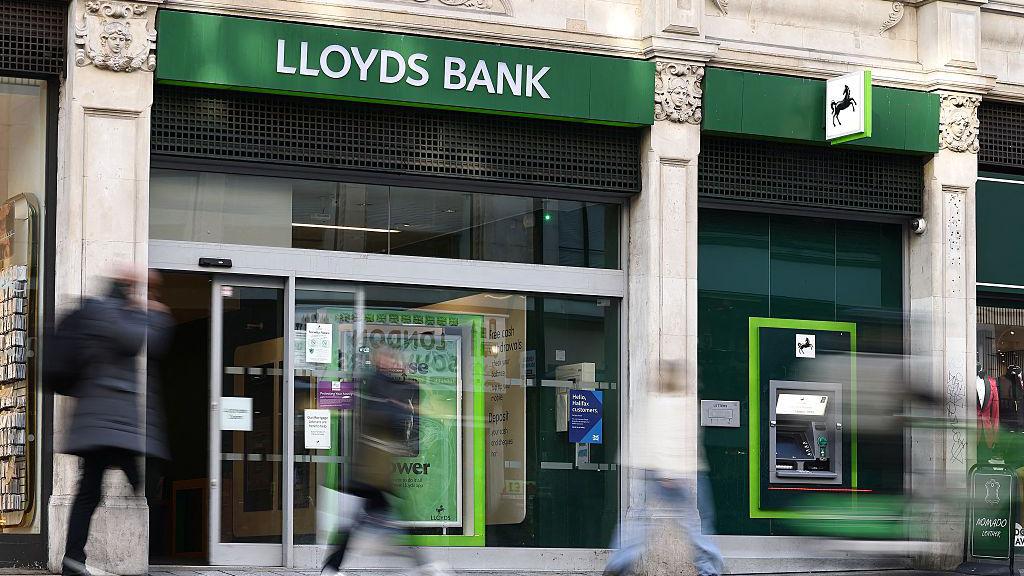
Lloyds Banking Group (LON: LLOY) has delivered a 151% return over the past five years, turning every £1,000 invested into roughly £2,510 for early shareholders.
The share price is now trading near its highest level since before the 2008 financial crisis, prompting investors to weigh whether to take profits or maintain their positions.
The case for holding remains credible, with Lloyds posting statutory pretax profit of £4.3 billion for the first half of 2026, up 23% year-on-year, on net income of £9.7 billion.
For the full year 2025, the group recorded statutory profit before tax of £6.7 billion, representing a 12% increase year-on-year, according to the bank’s annual report.
Return on tangible equity reached 12.9% for 2025, rising to 14.8% when excluding one-off charges, underscoring the group’s underlying operational strength.
That strong run has pushed the valuation higher, with shares trading at 1.9 times net asset value by the end of the first half of 2026, even after accounting for the bank’s ongoing share buyback program.
The group’s 2026 guidance targets net interest income of approximately £14.9 billion, a cost-to-income ratio below 50%, and return on tangible equity above 16%.
Shore Capital reiterated a Sell recommendation in late April, citing valuation concerns and setting a price target of 91p, roughly 17% below the prevailing price at the time.
Shore Capital had previously held a Hold rating with a target of 84p, and when it moved to Sell, it lifted that target to 91p, acknowledging first-quarter performance was strong but arguing the share price already reflected it.
RBC Capital raised its own price target from 100p to 110p in October 2025 following third-quarter results, maintaining an Outperform rating on the stock.
Based on ten analysts tracked by MarketBeat over the past 12 months, the consensus sits at Moderate Buy, with six buy ratings, three holds, and just one sell.
The average 12-month price target across those analysts is GBX 114.60, with the most optimistic target reaching GBX 127, suggesting further upside from current levels for some observers.
The motor finance mis-selling case remains the most significant risk hanging over the stock, with Lloyds’ total provision standing at £1.95 billion, including an additional £800 million charge to cover redress and operational costs.
The Financial Conduct Authority has estimated the industry-wide cost of the motor finance issue at £11 billion, potentially climbing to £12.4 billion if all eligible customers file claims.
The timeline leaves material uncertainty on the balance sheet for at least another two years, complicating any straightforward assessment of the bank’s true net worth.
Investors weighing the 151% gain against current valuation multiples must factor in that the full cost of the motor finance issue remains unsettled, keeping a cloud over forward earnings projections.
Lloyds offered an interim dividend of 1.22 pence per share, amounting to £731 million, in the first nine months of 2025, giving income-focused investors a tangible reason to remain invested.
For shareholders who bought in five years ago, the decision to hold or sell ultimately depends on how much weight they assign to stretched valuation multiples versus the group’s continued earnings momentum.
