
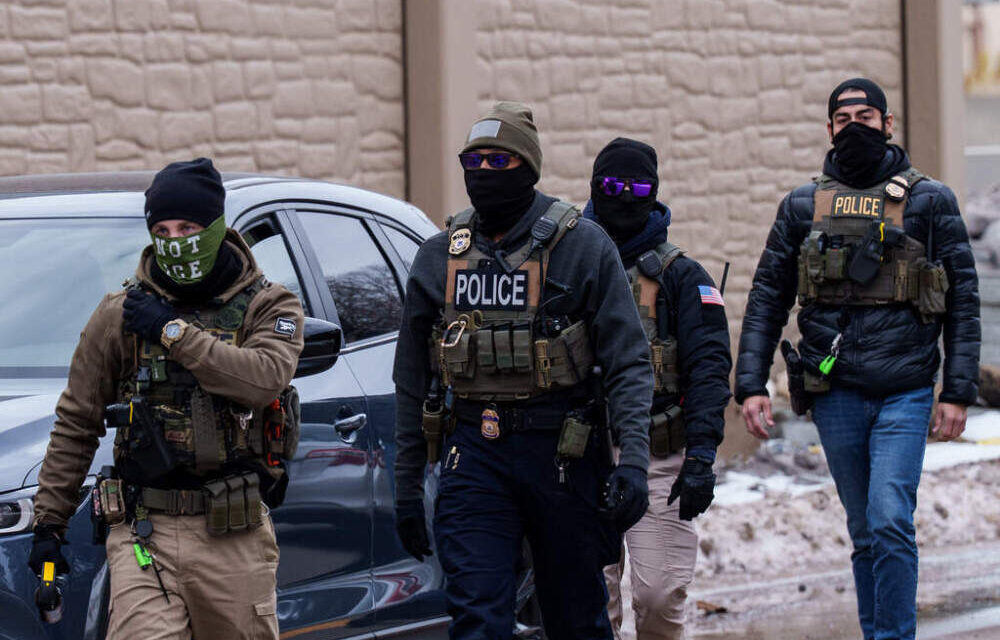
Two demonstrators detained outside a federal immigration facility in Broadview, Illinois have filed a defamation lawsuit against pro-Trump media figure and online influencer Benny Johnson.
The plaintiffs, Kyle Frankovich and Maureen Foody, allege Johnson falsely portrayed them as “left-wing terrorists” who had assaulted federal officers during a protest last October.
Frankovich, a data scientist employed by Harvard University, says he had never heard of Johnson before the influencer posted video of him and other detained protesters outside the ICE facility.
In one video, Johnson stated: “These individuals assaulted ICE officers as they were trying to clear out the area behind us over here.”
The lawsuit, filed Friday, alleges Johnson knew that characterization was false at the time he made it.
Frankovich told NPR he was observing and recording ICE agents from a designated “free speech” area when he was thrown to the ground and arrested.
He recalled being filmed by individuals in reflective vests and said, “I’d seen Kristi Noem being walked past and I kind of put it together at that point that ‘Oh, they’re filming propaganda. They’re using us as props.'”
Johnson made the videos while embedded with then-Secretary of Homeland Security Kristi Noem and then Border Patrol Commander-at-Large Gregory Bovino.
Both Frankovich and Foody, who works as a court reporter, were ultimately released without charges following their detentions.
Images of Frankovich with his hands zip-tied behind him, with his distinctive tattoos clearly visible, were later used in recruiting material by U.S. Immigration and Customs Enforcement.
Frankovich said he subsequently encountered social media posts falsely identifying him as a Chicago antifa leader, which he denies being.
“They said we need to find who this person is, find out where they live, and we need to stop him. And that’s obviously very terrifying,” Frankovich told NPR.
He added that he and his partner decided “neither of us should be walking alone to walk our dog. We should be together, keep an eye out, make sure that there’s nobody strange parked outside of our house.”
Both plaintiffs state in their complaint that they have lived with fears of violent attacks and professional consequences since Johnson’s videos branded them as terrorists.
Johnson has millions of social media followers, and his footage from the Broadview protest was subsequently aired on Fox News; he did not immediately respond to requests for comment.
Karianne Jones, a partner with Evergreen Legal Strategies and the lead attorney on the suit, said: “Benny Johnson is a key part of Trump’s malignant disinformation ecosystem that has spread lies and propaganda with impunity.”
Jones added: “This case should put him and other bad actors on notice that they will be held accountable for the damage their lies cause.”
Rachel Goodman, special counsel with legal non-profit Protect Democracy, which is not involved in this case, said the claims against Johnson highlight a broader pattern in which the administration works “very closely with influencers who are politically aligned and sort of administration allies to actually bring them in to create content.”
Goodman noted that while federal government officials are generally immune from defamation suits, cases like this one expose how politically aligned media figures operate within a broader information strategy designed to control public perception.
