
PepsiCo (NASDAQ: PEP) is drawing fresh skepticism from Wall Street analysts, with multiple firms trimming their price targets ahead of the company’s second-quarter earnings report.
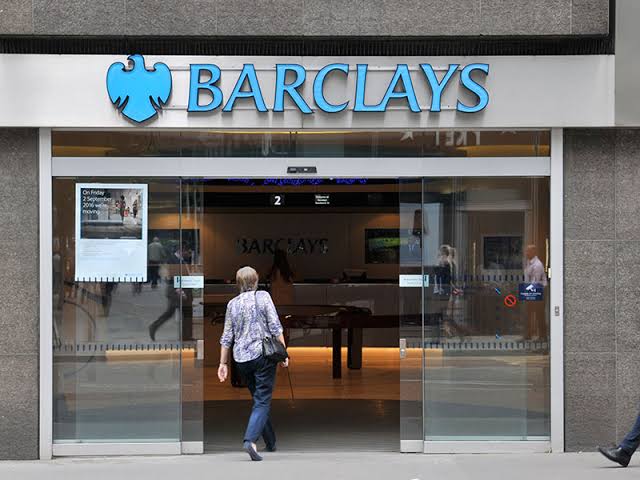
Barclays cut its price target on PepsiCo shares to $144 from $158, while holding its Equal Weight rating on the stock, signaling limited near-term upside.
The firm cited growing concerns that the improvements PepsiCo demonstrated earlier in the year may prove difficult to sustain as competitive and demand pressures mount.
Barclays analysts noted that PepsiCo has trailed many of its consumer staples peers, as investors question whether the company’s North American foods turnaround can deliver durable results.
Persistent weakness in PepsiCo’s core unflavored snack portfolio was flagged as a key obstacle standing in the way of a stronger and more broad-based recovery.
Barclays also reduced its sales projections for the company heading into Q2, concluding that operational improvements have not progressed far enough to fully offset headwinds in key product categories.
UBS separately lowered its price target on PepsiCo to $172 from $186, adding to a growing chorus of cautious analyst voices surrounding the stock.
Last week, JPMorgan cut its price target on PepsiCo to $170 from $178, though the bank maintained an Overweight rating, reflecting continued confidence in the company’s longer-term trajectory.
JPMorgan’s revised Q2 forecasts point to weaker pricing, a less favorable product mix, and slower revenue growth, with recent sales data reinforcing a softer demand outlook for the quarter.
According to Koyfin data, analysts broadly expect PepsiCo to report Q2 revenue of $23.9 billion and earnings of $2.21 per share when results are released.
PepsiCo has leaned heavily on price increases over the past two years to counteract inflationary cost pressures, making the upcoming results a key gauge of shifting consumer spending behavior.
While the North American food division continues to face sluggish demand, investors are counting on stronger international performance to provide a meaningful offset.
Latin America and the Europe, Middle East and Africa regions are both projected to outperform the company’s domestic business and provide some cushion against weaker home market results.
On Stocktwits, retail sentiment around PepsiCo shifted to neutral from bullish territory, accompanied by a 400% surge in message volume over the preceding 24 hours, reflecting heightened investor attention.
PEP stock edged 0.08% lower overnight heading into Monday’s session, and has gained just 0.5% on a year-to-date basis.
