
With bond markets edging closer to an alarm signal on the U.S. economy, income investors in the U.K. are asking how to keep cash flows steady if growth slows and volatility persists.
Reliable dividend payers with yields above 3% and room to cover those payouts can help smooth the ride during periods of prolonged market uncertainty.
Three British dividend heavyweights have surfaced from a high-yield screen focused on robust, growing, and resilient payouts worth watching this September.
MONY Group (LSE: MONY) runs a suite of U.K. comparison and cashback websites, connecting consumers with financial, household, and travel deals while earning fees and advertising income across its platforms.
The company generates £236.9 million from insurance, £110.5 million from money services, and £49.3 million from cashback, with total revenue of £448.1 million entirely sourced from the United Kingdom.
MONY Group’s insurance and money comparison platforms generate steady fee income that helps support a high, policy-backed dividend stream with a market capitalization of £908 million.
A series of technology upgrades could quietly change how dependable that dividend looks over time, with the company noting “a 300% improvement in tech productivity and cost reductions from replatforming, which is likely to support sustainable long-term expansion of net margins.”
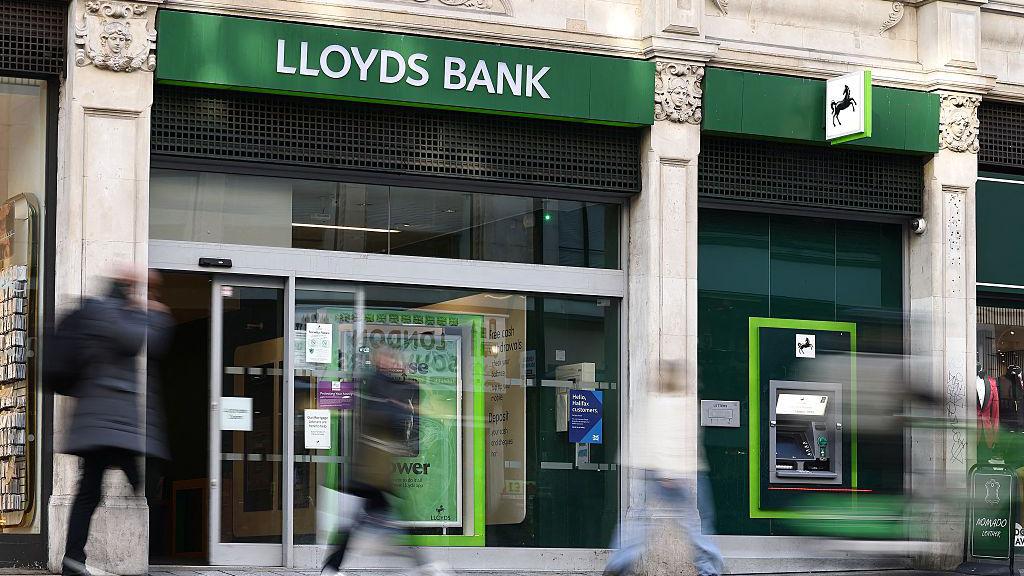
Lloyds Banking Group (LSE: LLOY) is a U.K.-focused bank that earns most of its income from retail customers through mortgages, deposits, and everyday banking services that underpin its dividend above 3%.
Lloyds generates approximately £11.9 billion from retail including wealth, £5.7 billion from commercial banking, and £1.4 billion from insurance, pensions, and investments, carrying a market capitalization of £62.6 billion.
Management is focused on making the bank’s retail machine more efficient rather than simply larger, with the bank highlighting that “expanding mobile-first services for 21 million users, rolling out a new digital remortgage journey, and leveraging AI innovation, continues to drive operating cost reductions and enhances efficiency.”
The real test for Lloyds will come if pressure on retail margins shifts enough to change how dependable that dividend feels for long-term income investors.
HSBC Holdings (LSE: HSBA) is a global banking group whose Hong Kong and U.K. retail and commercial franchises help fund a substantial, policy-backed dividend yield above 3%.
HSBC generates US$27.5 billion from corporate and institutional banking, US$15.2 billion from Hong Kong, US$14.4 billion from international wealth and premier banking, and US$12.6 billion from the U.K., with a market capitalization of £258.8 billion.
The bank is expanding its footprint in Asian wealth management, noting it is “leveraging a strong brand and local presence in wealth markets such as Hong Kong, mainland China, and Southeast Asia” to capture rising affluence and middle-class expansion.
HSBC’s management states this positioning aims at “increasing fee income and supporting more resilient earnings and higher margins,” though unresolved pressure on asset quality and credit costs remains a key variable for dividend durability.
Across all three names, the common thread is technology investment being deployed to protect margins and sustain payouts even as macroeconomic conditions remain uncertain heading into the final quarter of 2026.
Income investors weighing these stocks should consider how each company’s digital transformation strategy interacts with potential shifts in interest rates, consumer credit behavior, and regulatory requirements in the months ahead.
