
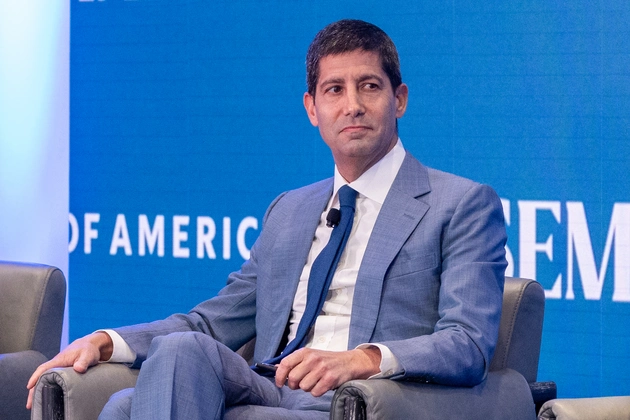
The Federal Reserve raised interest rates last week for the first time since 2023, marking a significant policy shift under new Fed Chair Kevin Warsh.
Unlike previous rate hike cycles, markets have responded with optimism rather than fear, with the S&P 500 (SNPINDEX: ^GSPC) and Dow Jones Industrial Average (DJIA) climbing higher in the days following the decision.
When the Fed last began raising rates aggressively, the consequences for equities were severe, with the S&P 500 falling by more than 19% during that tightening cycle.
This time, the central bank’s decision appears to be reinforcing rather than undermining investor sentiment, a reversal from the panic that characterized earlier rate hike environments.
A key concern heading into the decision was whether Warsh might resist raising rates or even cut them to satisfy political pressure from the U.S. president.
By moving decisively to hike rates, Warsh signaled a firm commitment to controlling inflation and demonstrated that the Fed intends to operate independently of political influence.
Inflation currently sits at 3.4%, still well above the Fed’s 2% target, meaning the central bank had clear justification for tightening monetary policy further.
Interest rates now sit in the 3.75% to 4.00% range, which, while elevated, remains significantly below the levels north of 5% seen three years ago.
Markets appear largely unfazed by the prospect of additional rate hikes later this year, suggesting that investor confidence in the Fed’s credibility is carrying more weight than the mechanical drag of higher borrowing costs.
That confidence, however, should not encourage complacency, as many stocks continue to trade at stretched valuations with considerable downside risk if sentiment shifts.
A market correction or crash can arrive quickly and without warning, even when broader economic conditions appear stable and corporate earnings remain resilient.
Investors would be well served by reviewing their portfolios to identify overexposed positions in highly priced stocks that could be vulnerable to sharp pullbacks.
Diversified exchange-traded funds tracking the S&P 500 and value-oriented equities offer a more measured approach to navigating a market environment where risk has not disappeared but simply changed shape.
Remaining invested continues to make sense for long-term participants, but disciplined attention to valuation remains as important as ever in a market trading near elevated multiples.
