
The U.S. House of Representatives has passed a sweeping package of sanctions targeting Russia, advancing legislation that now heads to President Donald Trump’s desk for signature.
The bill, named in honor of Senator Lindsey Graham, represents one of the most significant congressional efforts to apply economic pressure on Moscow in recent years.
Graham has been among the most vocal Republican advocates for maintaining strong U.S. support for Ukraine and holding Russia accountable for its continued military aggression.
The legislation’s passage marks a notable moment of bipartisan alignment in a Congress that has frequently been divided over the appropriate American response to the Russia-Ukraine conflict.
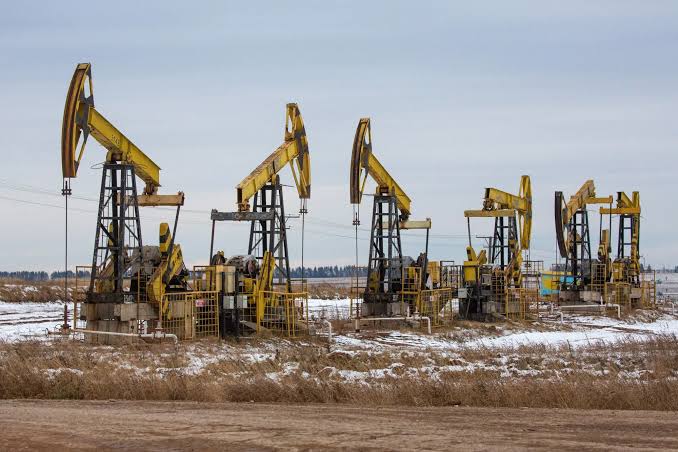
Sanctions packages of this scale are designed to target Russian financial institutions, energy revenues, and individuals connected to the Kremlin, though the precise provisions are subject to final review.
The move puts the bill directly in Trump’s hands, raising immediate questions about whether the administration will sign it into law or seek modifications before doing so.
Trump’s relationship with Russia policy has been one of the defining and most contested aspects of his political career, making his response to this legislation closely watched by allies and adversaries alike.
Congressional supporters of the bill argue that robust sanctions remain one of the most effective tools available to the United States short of direct military involvement in the conflict.
European allies have long pressed Washington to maintain a unified front on economic penalties against Russia, and passage of the bill is expected to be welcomed by NATO partners.
The legislation’s naming after Graham signals the prominent role he has played in pushing for tougher American policy toward Moscow throughout the duration of the conflict in Ukraine.
Whether Trump signs the bill as passed, requests amendments, or allows it to become law without his signature will be a defining signal of his second-term foreign policy direction toward Russia.
The outcome is being watched not only in Washington but in Kyiv, Brussels, and Moscow, where the prospect of expanded American sanctions carries significant economic and diplomatic weight.
