
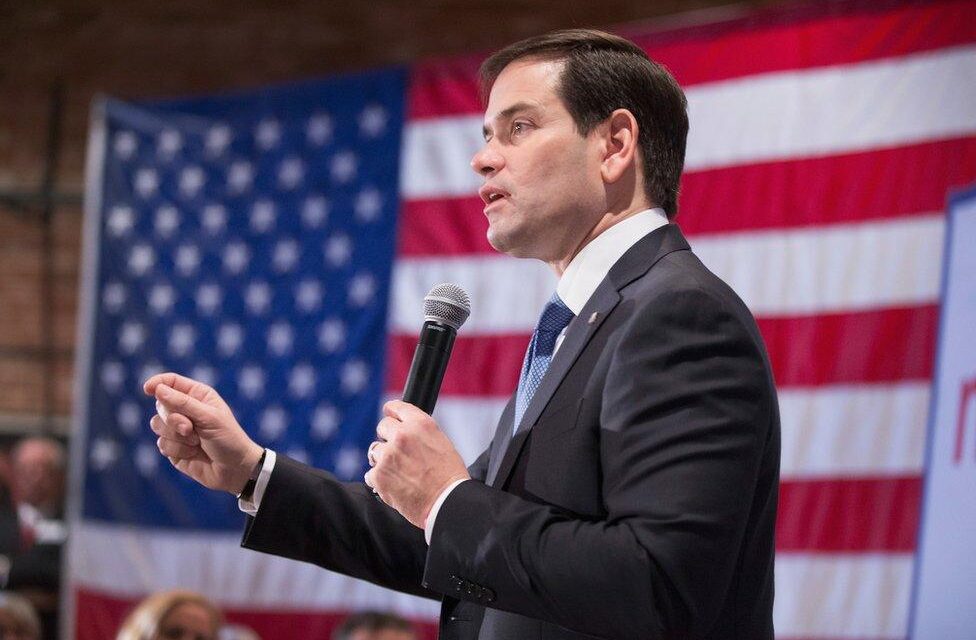
China’s top diplomat Wang Yi and U.S. Secretary of State Marco Rubio held discussions focused on the situation in the Middle East, following a visit to Beijing by Iranian Foreign Minister Abbas Araghchi.
The talks signal an effort by both Washington and Beijing to maintain open lines of communication on one of the world’s most volatile regional flashpoints, even as broader U.S.-China tensions remain elevated.
Araghchi’s trip to Beijing came as Iran seeks to shore up diplomatic support from key allies amid continued international pressure over its nuclear program and regional activities.
China has maintained close ties with Iran, serving as a critical economic partner and diplomatic buffer for Tehran against Western-led sanctions and political isolation.
The decision by Wang Yi and Rubio to speak directly about the Middle East suggests both powers recognize the risks of miscalculation in a region where their interests, though different, are deeply intertwined.
For Washington, stability in the Middle East remains a core strategic priority, particularly as the U.S. continues to support Israel and manages its relationships with Gulf Arab partners.
Beijing, meanwhile, has expanded its diplomatic footprint across the region, having brokered a landmark normalization agreement between Saudi Arabia and Iran in 2023, positioning itself as an emerging mediator.
The timing of the Wang-Rubio call, coming directly after Araghchi’s Beijing visit, suggests the U.S. sought clarity on what was discussed between Chinese and Iranian officials at the highest diplomatic level.
Direct communication between the top diplomats of the world’s two largest economies on a sensitive regional matter reflects a degree of crisis management diplomacy that both sides appear willing to sustain.
The Middle East remains a testing ground for the complex and often adversarial relationship between Washington and Beijing, where cooperation and competition exist simultaneously across overlapping spheres of influence.
