
When Brazil’s CazéTV streamed World Cup matches on YouTube, more than 21 million devices tuned in at once, a new livestreaming record. That number is the real story of modern football. A national league is no longer just a sporting competition. It’s an economic engine and a diplomatic tool, and most of its output now lives on screens rather than in the stands.
Both governments and investors have noticed. Across the Gulf, East Africa, China, and Latin America, the domestic league has become a way to move money, attention, and digital activity through a whole region at speed. Here’s how that works, and who actually benefits.
A League is Now a Foreign Policy Asset
Let’s start with reputational math. Nearly 47% of people say they’re interested in sport, according to Brand Finance’s Global Soft Power Index, which makes football one of the widest channels a country has for reaching foreign publics. The 2026 index puts Brazil and Argentina on top for sport, the United States third on the strength of its leagues and Olympic record, and Saudi Arabia up seven places after years of heavy spending on football and golf.
Here’s the part that matters for policy. Fans don’t just admire football. Argentina’s football audiences rate the country higher on economic growth, trustworthiness, and ease of doing business than people who don’t follow the game. Recent academic work on Saudi Arabia’s nation branding lands in the same place: football sits near the center of how the Kingdom wants to be seen. A league, put simply, quietly edits a country’s global reputation.
The Fan Experience Moved Onto the Screen
Watch how people actually consume a league now, and the digital economy stops being abstract. A 2026 study of China’s Su Chao league, a grassroots provincial competition in Jiangsu, surveyed 382 fans and found that digital services and immersive matchday scenes drove engagement far more than the physical facilities did.
That finding flips the old model on its head. For this audience, streaming quality, second-screen stats, and community chat shape loyalty. Researchers called the basic facilities a hygiene factor, expected but not decisive. Get the digital layer wrong, and you’ll lose the fan, however good the football is on the day.
Moreover, as national cross-border regulations loosen across the EU, independent sports media platforms have adapted by mapping out these digital landscapes, helping consumers easily track the most trusted regional operators, and suomalaiset nettikasinot are dominating the Nordic market. The audience now bets, gambles, and follows the content wherever it goes.
Follow The Media Rights to Find the Money
The clearest measure of football’s economic weight is what broadcasters and platforms pay to show it. European football now turns over more than 38 billion euros a year, and the Premier League’s overseas rights tell you where the growth sits. They’ve climbed from around 500 million pounds in 2010 to over 2.2 billion pounds today, more than the league earns at home.
Below are some additional mind-blowing numbers for the largest leagues and regions:
- Europe’s 20 richest clubs bring in over 11 billion euros, more than half the revenue of the big five leagues combined.
- Major League Soccer averages above 21,000 fans a match, and 19 of its clubs rank among the 50 most valuable on earth.
- Saudi clubs spent close to a billion dollars in a single transfer window to stand up a league almost overnight.
- The women’s game is scaling on the same digital rails, with the NWSL’s 14 clubs valued near 2.6 billion dollars in 2026, up roughly 180% since 2023.
Wage bills tell the same story of pressure. They average about 64% of revenue across the big five leagues, which is exactly why UEFA now caps squad spending at 70%. More and more, that revenue gets captured online, through streaming deals and direct-to-fan platforms, and that’s what drags the wider digital economy along with it.
AFCON 2025 Turned a Tournament into Infrastructure
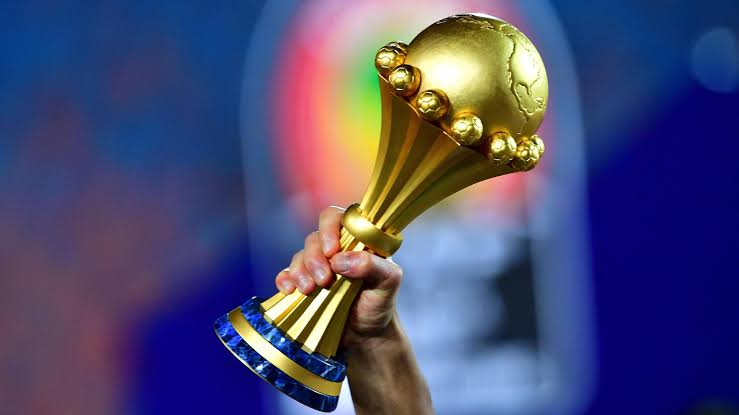
For the sharpest example of a soccer event powering a regional economy, look at Morocco. Hosting the 2025 Africa Cup of Nations, the country booked over 1.5 billion euros in direct revenue and, by its own government’s account, funded roughly 80% of the infrastructure it needs for the 2030 World Cup.
Commerce Minister Ryad Mezzour put it bluntly: “We gained a decade of development in 24 months.” The tournament created more than 100,000 jobs and carried nine stadiums to an audience near 500 million. This is public diplomacy in its most current form, built on stadiums, streaming, and job numbers rather than communiqués.
However, none of this is free money, and pretending otherwise would be dishonest. Morocco’s AFCON spending drew domestic protests over stadiums funded ahead of public services, and a 1.125 billion-dollar sponsorship from TotalEnergies brought accusations of sportswashing from groups like Greenpeace. That tension shows up wherever a league becomes a growth strategy.
What to Watch Next
The trend line points one way. Leagues in emerging markets will keep treating streaming, data, and fan platforms as their main product, with the live event as the marketing for it. China’s provincial experiments, the Gulf’s spending sprees, East Africa’s build-up to AFCON 2027, and Latin America’s record-breaking streams all run on the same logic: build the digital audience first, monetize the region second.
