
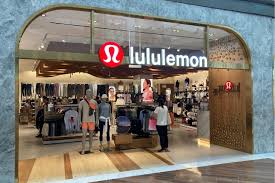
Lululemon (NASDAQ: LULU) is confronting mounting competitive pressure as smaller rivals continue to attract its core customer base across key markets.
BMO Capital Markets has assigned Lululemon stock an underperform rating, citing the retailer’s disappointing second-quarter performance as a central concern.
BMO Capital Markets analyst Kelly Crago set a $70 price target on the stock, implying an additional 28% decline from its closing price on September 10.
Crago warned that Lululemon is losing market share across the Americas and China to smaller athletic-wear competitors, including Alo Yoga and Vuori.
Data from M Science, cited by Reuters, showed Lululemon’s market share dropped 10 percentage points to 43.9% in August, while Alo Yoga and Vuori gained 5.9 and 2.2 percentage points respectively.
“The product engine that has fueled this company for years is very stale because it’s a much tougher category where athleisure is out of favor,” said Crago.
Lululemon Chief Financial Officer Meghan Frank acknowledged on a September 9 earnings call that a shift in consumer preference from tighter fits to looser styles contributed to a 20% decline in leggings sales.
“As we moved into Q2, we faced negative commentary in the media and social channels, which impacted traffic, and softer-than-planned response to some new product launches, which contributed to a moderating sales trend,” said Frank.
BMO’s downgrade follows BofA Global Research lowering its price objective on Lululemon from $140 to $122, while maintaining a neutral rating on the stock.
BofA also cut its earnings-per-share forecast by 13% for fiscal year 2026 and by 31% for fiscal year 2027, signaling broader concern about the company’s near-term recovery prospects.
BofA Global Research analyst Lorraine Hutchinson said Lululemon’s weak second-quarter results “push” the company’s “recovery timeline further out,” adding to growing skepticism on Wall Street.
The wave of analyst downgrades and forecast cuts arrives as foot traffic at Lululemon’s retail stores has continued to worsen in recent months, compounding pressure on the brand.
