
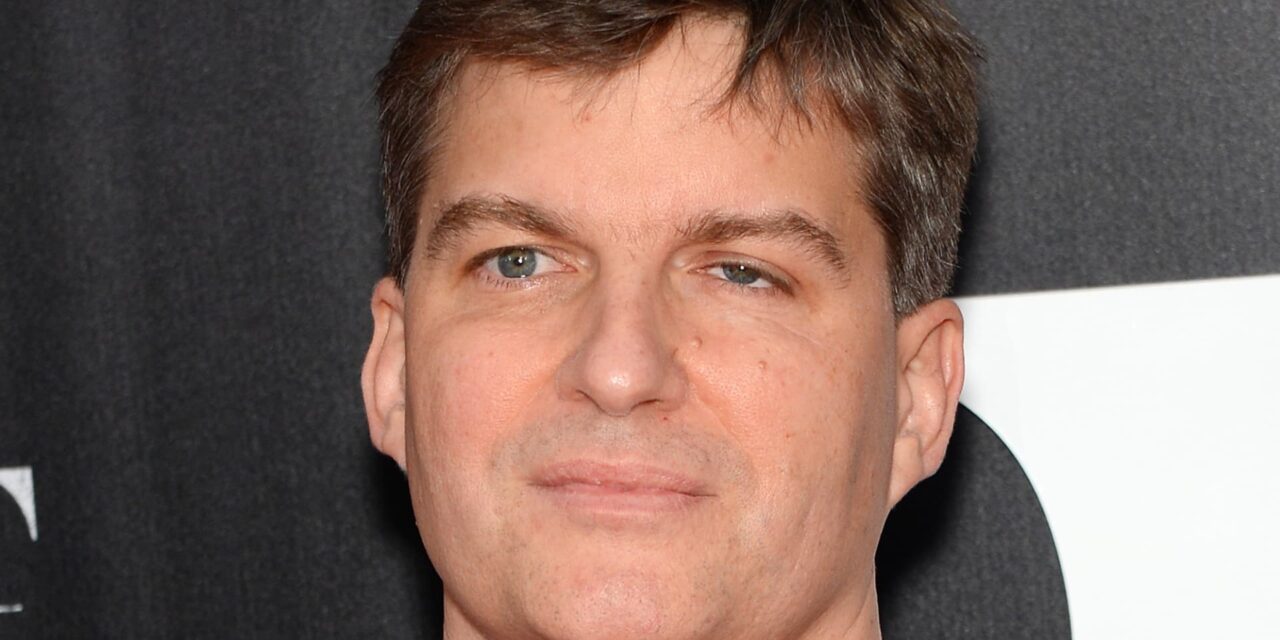
Famed investor Michael Burry is pushing back against calls from OpenAI and Anthropic to decelerate the pace of artificial intelligence development, labeling the effort as self-serving.
Burry, widely known for predicting the 2008 housing market collapse, argued that the major AI firms advocating for slower development stand to benefit directly from any regulatory or competitive barriers that would result.
His criticism takes direct aim at the established players in the AI industry, suggesting their public safety arguments may be a strategic move to protect market position rather than a genuine concern for public welfare.
Burry called on observers to examine the motivations behind the slowdown push, framing it as a calculated maneuver by dominant firms to entrench their advantage over emerging competitors.
The investor directly quoted his position, stating: “Let’s all take a moment to understand how self-serving it is for OpenAI, Anthropic and other” major AI players to advocate for restrictions on development.
The argument follows a familiar pattern in technology history, where leading companies have supported regulatory frameworks that, intentionally or not, raise barriers to entry for smaller or newer rivals.
OpenAI and Anthropic have both publicly called for increased oversight and caution around AI development, citing risks ranging from misinformation to broader existential concerns about advanced AI systems.
Critics of the slowdown movement, including Burry, contend that those calls conveniently benefit organizations that have already secured substantial funding, talent, and infrastructure advantages in the AI race.
Burry’s commentary adds a high-profile financial voice to a growing debate about whether AI safety rhetoric is being used as a competitive tool by industry incumbents seeking to shape regulation in their favor.
The intervention from one of Wall Street’s most closely watched contrarian investors is likely to intensify scrutiny of the motivations driving AI governance discussions among the industry’s most powerful players.
