
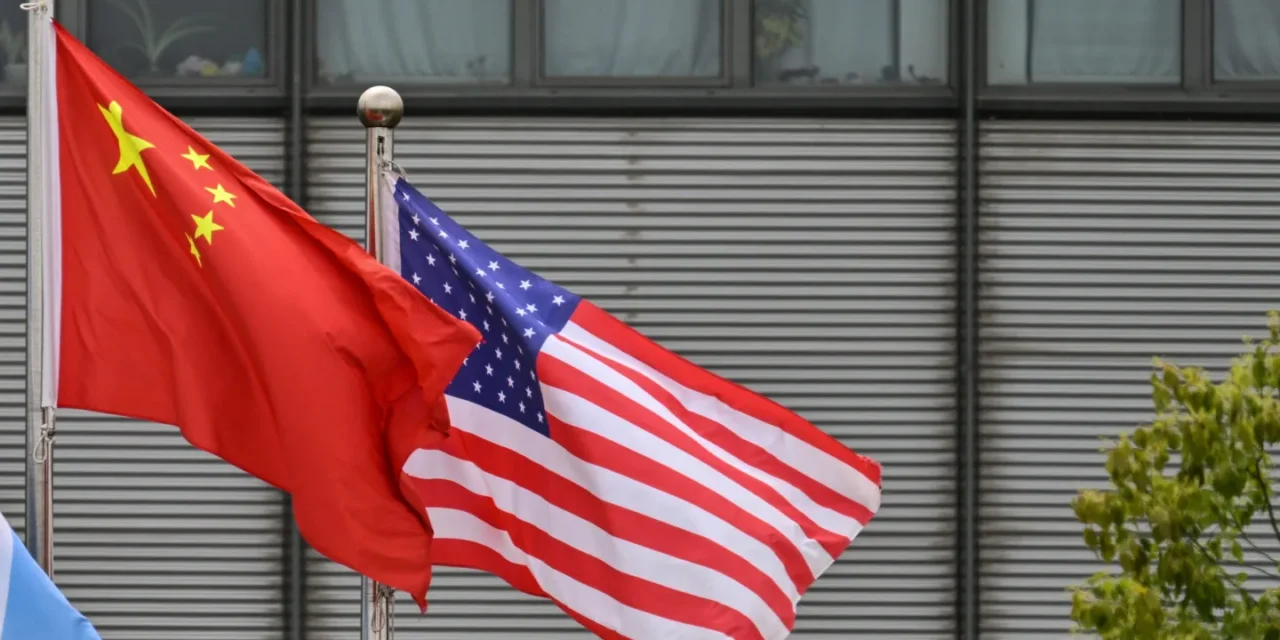
Rising tariffs, export controls, and import limits on solar and battery technology are creating a growing drag on the world’s shift away from fossil fuels.
Governments from Brussels to Brasilia have erected a widening array of trade barriers, each seeking a share of the clean energy economy and pushing back against China’s dominance in green technology manufacturing.
The United States, under President Donald Trump, has gone furthest, unleashing broad tariffs while also targeting Chinese solar products and grid equipment with more specific levies.
Industry data shows U.S. tariffs on copper have increased costs for wire by 11.4%, for switchgear by more than 4%, and for capacitors that store power by more than 6%.
Domestically made transformers now cost 10% more to produce than when Trump took office, according to Bureau of Labor Statistics figures, adding pressure across utility supply chains.
Trump also issued broad restrictions on imported grid equipment last month, a move widely interpreted as another effort to exclude Chinese-made technology from American infrastructure.
Karen Wayland, CEO of the GridWise Alliance, a coalition of U.S. electric utilities, equipment makers, and technology providers focused on grid infrastructure, offered a blunt assessment of the situation.
“It is slowing things down for sure,” Wayland said, capturing a concern now shared widely across the industry, among utilities, analysts, and even major financial institutions.
Chris Aylett, a researcher at Chatham House, acknowledged that parts of the energy transition remain strong but raised questions about what could have been achieved in calmer trade conditions.
“The transition in certain sectors is still going quite fast, but you do wonder if in the absence of all of this trade conflict, if it could be faster,” Aylett said.
Governments defending the restrictions argue that allowing the clean-tech supply chain to become fully dependent on China would ultimately erode public support for the energy transition itself.
Critics counter that the combined effect of global trade barriers is a slower energy transition, higher electricity bills for consumers, and more planet-warming emissions entering the atmosphere over the coming decades.
The electrification supply chain, which spans critical minerals, photovoltaic cells, electric vehicles, and battery storage, is particularly vulnerable to trade disruptions given how globally interconnected it has become.
Industry groups and grid operators warn that rising costs and supply uncertainty could deter the investment needed to expand clean power capacity at the scale climate targets demand.
With trade tensions over clean technology showing no sign of easing, analysts say the road ahead for the global clean energy sector is likely to remain turbulent well into the decade.
