
RTX Corporation (NYSE: RTX) has delivered a striking 169.7% return over the past five years, raising the question of whether the current share price has already absorbed most of the available upside.
The stock currently trades around $200.78 per share, yet a Discounted Cash Flow analysis points to an intrinsic value closer to $233 per share, implying a discount of approximately 13.7% to that estimate.
That gap between price and modeled value is underpinned by RTX’s latest twelve-month free cash flow of roughly $10.6 billion, a figure that forms the foundation of the DCF projection.
The model assumes those cash flows continue growing before gradually slowing as the business matures, a trajectory that recent contract activity appears to support.
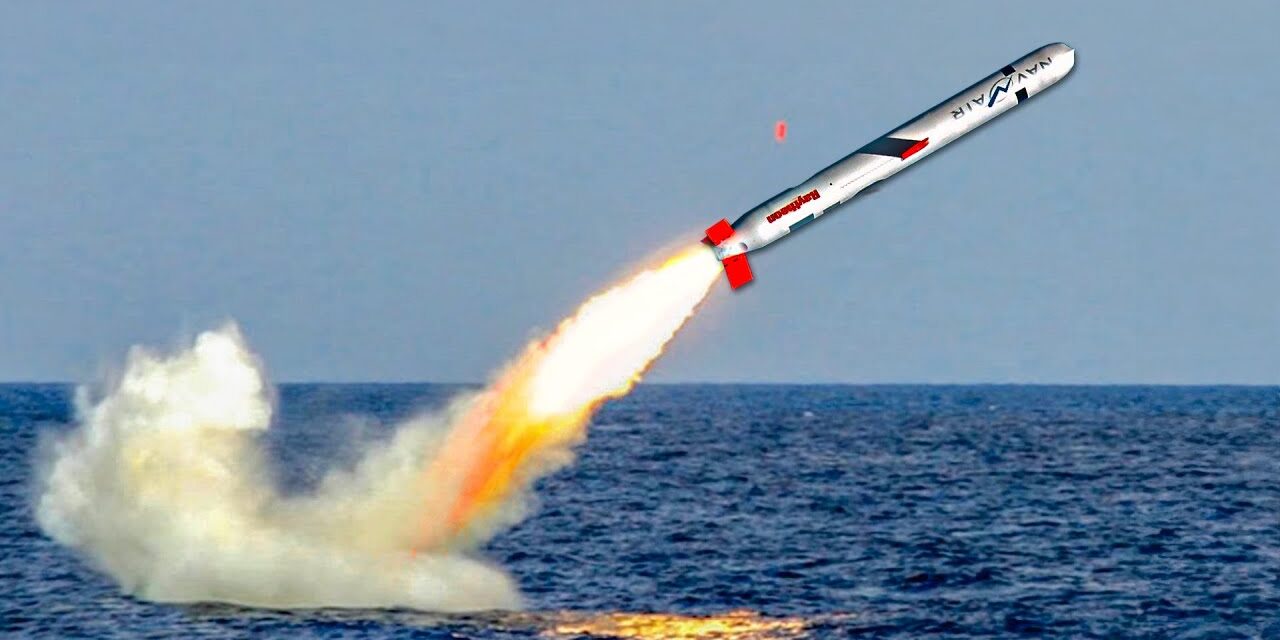
A recently awarded $22.9 billion Tomahawk missile contract adds concrete visibility to the cash flow outlook embedded in the DCF analysis, helping explain why the model lands above the current market price.
RTX’s ongoing U.S. defense contracts and capacity expansions strengthen the longer-term cash generation case, though execution risks on large, capital-intensive programs remain a variable that could affect how much value ultimately flows to shareholders.
On an earnings basis, however, the picture looks considerably more balanced, with RTX trading at a price-to-earnings multiple of approximately 35.0x against an estimated fair P/E of 32.9x.
The Aerospace and Defense industry average sits at roughly 35.9x, and a wider peer group trades near 47.7x, meaning RTX is neither notably cheap nor expensive relative to those reference points on an earnings basis.
RTX carries a value score of 3, reflecting a mixed valuation signal rather than a clear case of undervaluation or overvaluation across the full set of metrics applied.
The central tension for investors is that the cash flow view, anchored to contract-backed revenue visibility, implies meaningful upside, while the earnings multiple view suggests the market has already priced the stock at an approximately fair level.
With the broader valuation checks landing in mixed territory, the key question becomes whether RTX can convert its contract pipeline into the cash flows required to close that 13.7% gap, or whether execution risks on large programs justify the current market stance.
The outcome of that execution question, particularly across multi-year defense programs and ongoing capacity buildout, will likely determine whether the DCF discount proves to be a genuine opportunity or simply reflects a reasonable market adjustment for program risk.
