
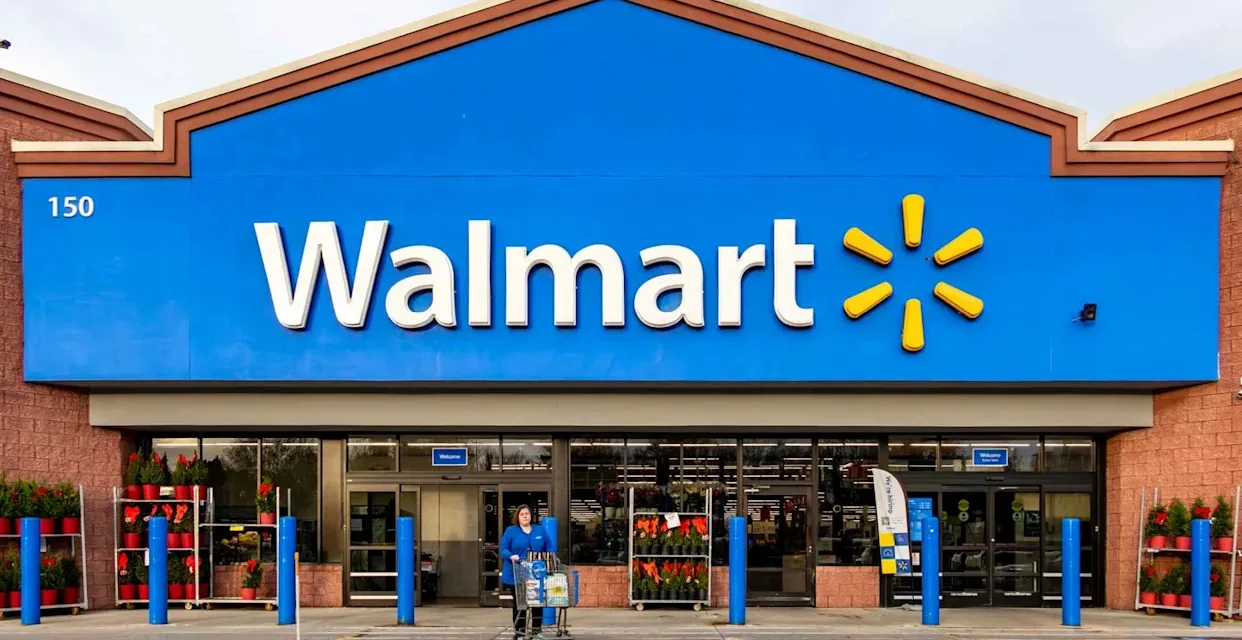
Walmart (NYSE: WMT), the world’s largest retailer, surged nearly 2.8% to $109.015 on Thursday as federal scrutiny over beef pricing intensified across the grocery sector.
Reuters reported that the Justice Department contacted eight retailers, including Walmart, Costco, and Amazon, as record beef prices pushed grocery affordability deeper into the political spotlight.
The review is an investigative inquiry, not a formal accusation, and Walmart has not been charged with fixing prices, manipulating markets, or violating antitrust law.
The government’s lens is widening across the entire beef supply chain, with the retail review running alongside a separate investigation already targeting meatpackers.
The immediate financial and legal threat to Walmart from the inquiry remains unclear, as the scope and direction of the Justice Department’s findings have not been publicly disclosed.
Walmart posted $187.9 billion in revenue during its second quarter, a figure that underscores just how dominant the retailer’s grocery operations are at a national scale.
First-half inventory reached $61.6 billion, reflecting the sheer volume of goods flowing through Walmart’s supply chain as consumer demand for affordable groceries remained strong.
Stubborn food inflation continues to present a margin challenge for the retailer, particularly when Walmart holds prices down to defend its long-standing reputation as a value leader.
At $109.015, the stock was trading 5.46% above its $103.37 GF Value estimate, a signal that investors continue to prize Walmart’s defensive characteristics despite the regulatory noise surrounding the sector.
The stock’s rally on a day of heightened government scrutiny suggests markets are treating the Justice Department review as background risk rather than an immediate threat to Walmart’s business fundamentals.
Grocery scale and consistent consumer traffic remain central to Walmart’s investment case, with the retailer’s ability to absorb cost pressures seen as a structural advantage over smaller competitors.
The broader political environment around food affordability is unlikely to ease in the near term, keeping beef pricing and retailer conduct firmly in Washington’s crosshairs heading into the final months of 2026.
