
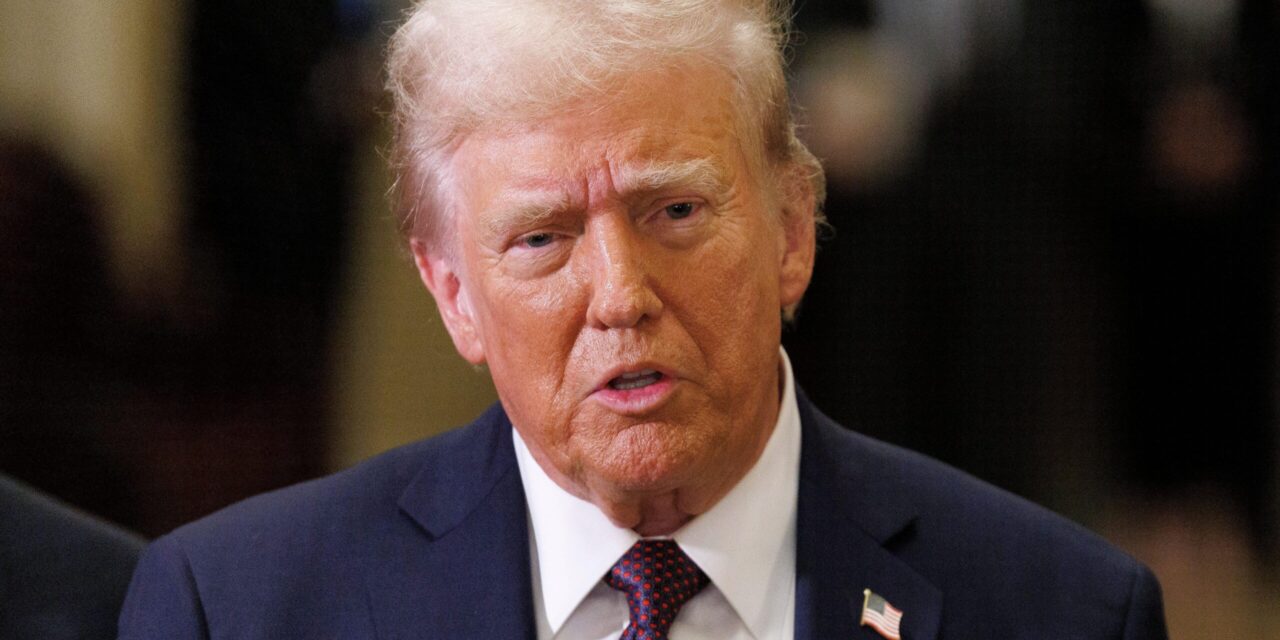
The Trump administration has taken ownership stakes in 31 private companies totaling roughly $27.7 billion, spanning the mining, technology, energy, and defense sectors.
The move marks a significant ideological departure for a Republican Party that has historically championed free market capitalism and opposed government intervention in private industry.
The administration has announced 39 stakes or other ownership rights in private companies since January 2025, approaching $30 billion in equity stakes, warrants, and similar arrangements by most estimates.
The initiative began with the administration’s surprise decision to take a “golden share” in U.S. Steel, followed by a 10 percent stake in Intel (NASDAQ: INTC), setting the template for dozens of subsequent deals.
Since December 2025, the administration has spent approximately $4 billion acquiring stakes in companies tied to strategic industries including semiconductors, critical minerals, and steel.
Former Biden economic official Bharat Ramamurti told Politico that “inevitably a Democratic president is going to get handed these equity stakes at some point,” adding that the next administration would have to determine what to do with them.
That reality has already prompted prominent figures on the left to explore similar models for advancing progressive economic goals around climate, labor, and technology policy.
California Democratic Gov. Gavin Newsom proposed a national public equity fund that would give Americans a stake in wealth generated by major artificial intelligence companies.
Independent Vermont Sen. Bernie Sanders introduced legislation in June that would grant the public a 50 percent ownership stake in the country’s largest AI companies.
Legal challenges have already emerged around the government’s acquisitions, with Intel shareholders filing suit in March against the company’s board and the U.S. Commerce Department, arguing the CHIPS Act does not explicitly authorize equity purchases in publicly listed companies.
White House spokesman Kush Desai told reporters that “the Trump administration has taken voluntary equity investments in willing companies,” pushing back against criticism of the program’s legal foundation.
Scott Lincicome warned that expanding government ownership carries risks beyond political precedent, arguing the investments could distort capital markets by encouraging investors to bet on which companies might receive government support rather than which businesses have the strongest commercial prospects.
Should Democrats win control of the House in the midterm elections, the program could face intensified congressional scrutiny, with lawmakers potentially holding hearings and calling corporate executives to testify about the legal basis for the government’s stake acquisitions.
The administration’s embrace of industrial-style ownership policy represents a striking inversion of traditional party positions, raising questions about how future administrations from either party might deploy and expand government ownership as a policy tool.
