
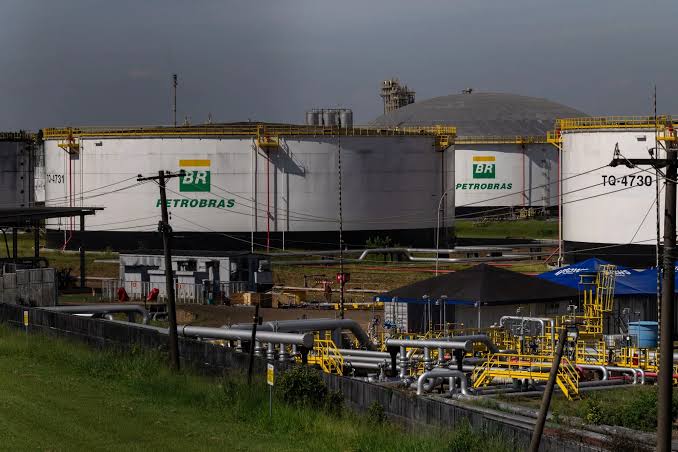
Brazil’s state oil giant Petrobras (NYSE: PBR) has discovered oil near the mouth of the Amazon River, a find that President Luiz Inácio Lula da Silva is already hailing as a transformational moment for the country.
Lula described the discovery as a “passport to Brazil’s future,” signaling the government’s strong intent to pursue development of the newly identified resource.
The find is located along what geologists and energy analysts are calling the Equatorial Margin, a stretch of Atlantic coastline that stretches across Brazil’s northern coast.
Industry observers believe the Equatorial Margin could emerge as Brazil’s next major oil frontier, potentially rivaling the significance of the pre-salt reserves discovered in deeper waters years earlier.
The timing of the discovery carries considerable strategic weight, as Brazil’s existing pre-salt production is widely expected to begin declining after the mid-2030s.
Developing the Equatorial Margin could allow Brazil to offset that anticipated drop in output and sustain its position as one of Latin America’s leading oil producers well into the coming decades.
Recoverable volumes from the Amazon-area discovery have not yet been confirmed, meaning the full scale of the find remains an open question for both investors and policymakers.
Lula now faces a delicate political and environmental balancing act as he pushes to capitalize on the potential oil windfall while managing significant domestic and international scrutiny.
Brazil has cultivated a strong public identity around renewable energy, and a large segment of the population remains focused on clean energy development and ecological preservation.
Environmental concerns are particularly acute given the discovery’s proximity to the Amazon basin, one of the world’s most ecologically sensitive regions, where any oil development would face intense opposition.
The tension between resource extraction and environmental protection is not new to Brazil, but the scale and location of this potential frontier make the stakes considerably higher than previous debates.
For Petrobras, the discovery represents a critical long-term opportunity at a moment when the company is working to map its production strategy well beyond the current decade.
How quickly the company can confirm recoverable reserves and secure regulatory approval for exploration will determine whether the Equatorial Margin becomes a genuine pillar of Brazil’s future energy output.
