
Royal Bank of Canada (TSX:RY) market commentary highlights that geopolitical headlines surrounding Iran are increasingly driving short-term crude oil price volatility rather than shifts in underlying supply and demand fundamentals.
The expiry of an Iran-related memorandum and nuclear agreement deadline without resolution has left diplomatic conditions unclear, sustaining uncertainty around sanctions, shipping activity and ongoing negotiations.
Rather than delivering greater market visibility, the absence of a concrete agreement has kept traders continuously reassessing the probability of physical supply disruption.
Oil markets traditionally respond to fundamentals including global consumption, production levels, inventories, refinery activity and spare production capacity, but geopolitical developments can temporarily become equally dominant forces.
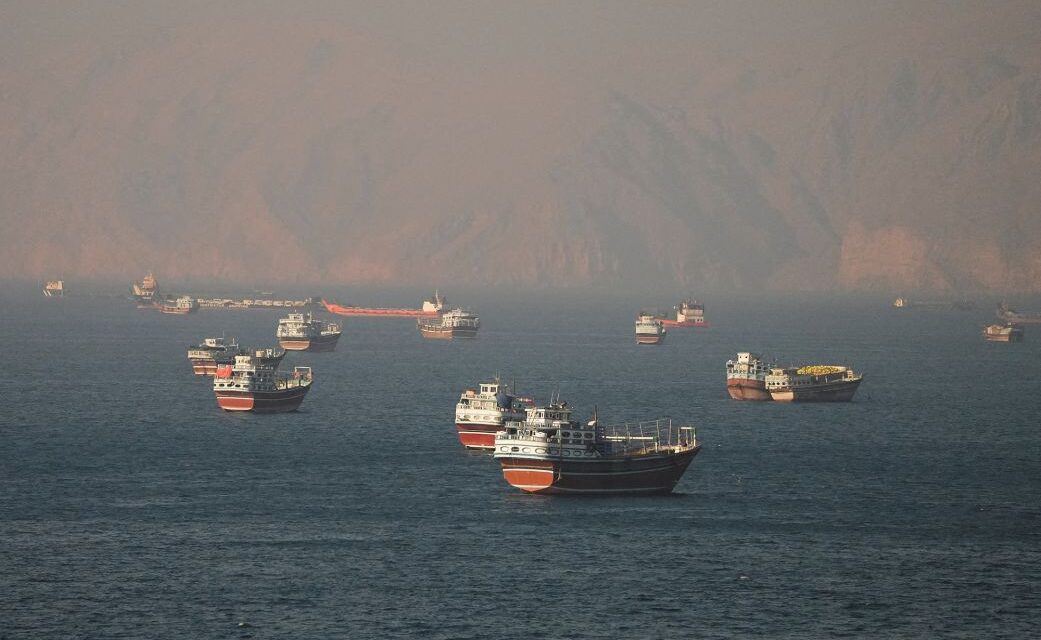
Iran occupies a strategically critical position in this equation because developments involving the country directly affect expectations around crude exports and maritime activity through the Strait of Hormuz.
The narrow waterway connects major Gulf energy exporters with international markets, meaning any concern about vessel movements, maritime attacks or restrictions can quickly influence expectations about global energy reliability.
When political headlines arrive rapidly, financial markets may adjust before physical supply conditions have materially changed, producing noticeable price swings as traders reprice disruption risk.
A defining feature of the current oil environment is the divergence between market sentiment and physical fundamentals, with headline-driven trading reflecting expectations about future developments rather than conditions currently affecting production or consumption.
Physical oil markets generally require more concrete evidence of change, with actual shifts in exports, refinery demand, inventories and production providing clearer signals about whether global supply is genuinely tightening.
Iranian officials have reportedly linked greater vessel access through the Strait of Hormuz with implementation of earlier commitments involving frozen financial assets and sanctions relief, adding complexity to an already multi-layered diplomatic process.
Reports of vessels coming under attack in the region have reinforced concerns about shipping security, strengthening market attention on the Strait as a potential flashpoint for energy supply disruption.
Some incidents have involved vessels associated with Abu Dhabi National Oil Company, drawing additional scrutiny toward regional energy logistics and ship-to-ship transfer operations.
The United Arab Emirates has announced restrictions covering trade and financial transactions with Iran following the interception of ballistic missiles reportedly directed toward the country, representing a notable shift in the regional diplomatic environment.
For crude markets, wider regional involvement increases uncertainty because political developments can affect shipping routes, commercial relationships, insurance conditions and energy infrastructure simultaneously.
Sanctions policy remains a major variable because restrictions influence how Iranian crude reaches international customers, how transactions are financed and how shipping arrangements are structured across international markets.
Any indication of tighter sanctions enforcement can affect expectations around export availability, while signs of diplomatic progress can encourage expectations that more Iranian crude may eventually reach markets through conventional channels.
The central question for energy investors is whether geopolitical tension develops into a sustained physical disruption, as that distinction is critical for understanding whether headline-driven price movements carry lasting fundamental significance.
Crude price volatility also extends beyond dedicated energy companies, influencing transportation expenses, manufacturing costs, inflation expectations and corporate margins across multiple industries.
As a result, developments surrounding Iran and the Strait of Hormuz have the potential to shape broader equity market sentiment well beyond the energy sector itself.
Until diplomatic conditions become clearer, crude markets are likely to remain highly sensitive to developments involving Iran, with the longer-term direction ultimately depending on whether political tension translates into measurable changes in real-world oil flows.
