
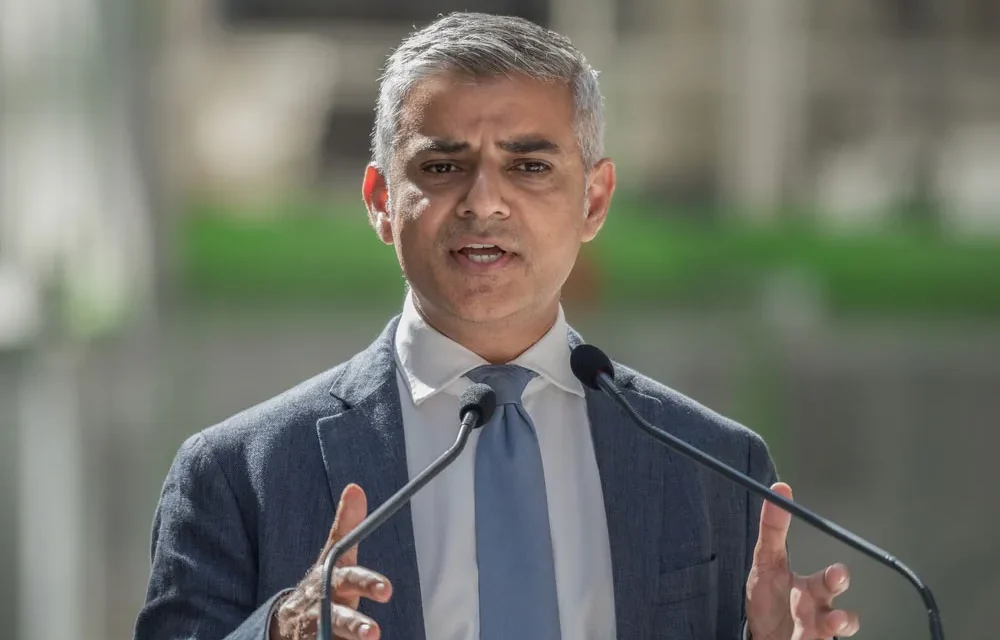
Sadiq Khan has waded directly into the growing debate over whether London’s national museums should start charging for entry, using an op-ed for LBC to make the case that free access isn’t just a nice-to-have — it’s foundational to what makes the city’s cultural scene work.
The Mayor’s argument centres on a comparison with London’s peer cities, as reported by London Insider.
Unlike Paris, Rome and New York, where major museums and galleries typically charge admission, London’s model has been free-to-enter for its national collections since 2001, when the Labour government of the day scrapped charges at institutions that had previously required payment. Khan describes this as fundamentally reshaping the relationship Londoners have with their cultural institutions, turning museums and galleries into what he calls a “third space” — somewhere people can spend time without it costing them anything, alongside home and work.
He backs the argument with numbers. Visits to the formerly pay-to-enter institutions rose by roughly 151% in the decade following the 2001 policy change, according to Khan’s piece — a jump he presents as clear evidence that removing the financial barrier drove genuine new engagement rather than simply reshuffling existing visitors. He also puts a figure on the wider economic value of the policy, estimating that free admission generates in the region of £1 billion a year for the UK.
The framing throughout is unambiguous: for Khan, this isn’t a niche arts-funding argument but a statement about access and fairness. His piece stresses that art and culture should be available “no matter where you’re from, or how much money you earn” — positioning free entry as something close to a civic right rather than a subsidy that can be quietly withdrawn when budgets get tight.
The timing of the intervention is notable. National museums across the UK have been under sustained financial pressure, and admission charging has resurfaced as one option being floated to help close funding gaps — a live and contested question within the sector. By putting his weight so publicly behind the free-entry model, Khan is effectively lobbying central government and museum boards against that route, arguing the long-term cultural and economic payoff of free access outweighs the short-term revenue charging might bring in.
Whether the intervention shifts the debate remains to be seen — decisions on individual museums’ admission policies sit with their own trustees and boards rather than City Hall. But as a public marker from London’s mayor, it signals where he wants the conversation to land, and gives free-entry campaigners a high-profile voice to point to as the funding pressure on the sector continues to build.
