
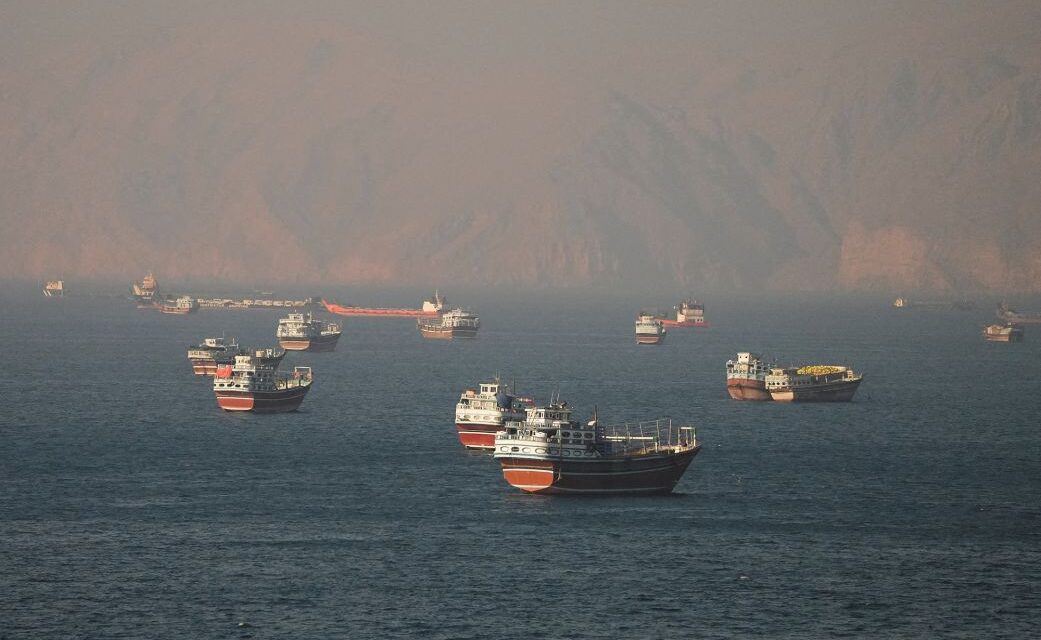
Shipping through the Strait of Hormuz ground to a near standstill over the weekend, with data from Kpler cited by Reuters showing only five commodity vessels passing through on Saturday.
No vessels were scheduled to transit the waterway on Sunday, a dramatic drop compared with 31 tankers that passed through the strait the previous weekend.
The figures represent a fraction of the more than 130 ships a day that traversed the Strait of Hormuz before the war launched by the U.S. and Israel on Iran in February.
The Kpler data does not include tankers transiting in so-called “dark mode,” meaning the actual number of vessels moving through the strait could be somewhat higher than reported figures suggest.
Ships that did enter the strait on Saturday included an empty Very Large Crude Carrier with its Automatic Identification System switched off, and an Indian-flagged Very Large Gas Carrier that used the Iranian route.
A small tanker laden with Iranian fuel oil also exited the strait on Saturday, according to Kpler data.
The near-standstill in traffic followed the United Arab Emirates accusing Iran of striking three ADNOC tankers last week, with two attacks taking place on Thursday and a third on Friday.
Iran’s Foreign Minister Abbas Araqchi said on Saturday that Washington must meet Iran’s conditions regarding the strait in order for shipping to resume, speaking in an interview with local media.
A statement from Iran’s Foreign Minister indicating Iran did not plan to hold peace talks with the United States added upward pressure to oil prices over the weekend.
Last week, reports of slowing Hormuz traffic helped push oil prices to a 5% weekly gain, a move reinforced by fresh attacks on tankers in the Persian Gulf.
The waterway handled a fifth of the world’s shipments of crude oil and liquefied natural gas before the outbreak of the conflict, underscoring how significant the disruption has become.
At the Bab el-Mandeb strait, where Yemeni Houthis declared a naval blockade on Saudi Arabia on July 20, Kpler data showed 49 weekend transits by commodity vessels, down from 55 in the prior week.
The Houthis also claimed last week to have struck an Aramco refinery in Jazan, and Kpler data showed no tracked Saudi oil shipments through the Bab el-Mandeb during the period.
The twin chokepoints represent a severe threat to global energy supply chains, with analysts watching closely for any signs of diplomatic progress that could reopen normal shipping lanes.
