
Eli Lilly (NYSE: LLY) has officially confirmed it will submit a Biologics License Application to the U.S. Food and Drug Administration for retatrutide in the first quarter of 2027.
The announcement marks a major milestone for the drugmaker, which already leads the weight-loss market through its blockbuster medication Zepbound.
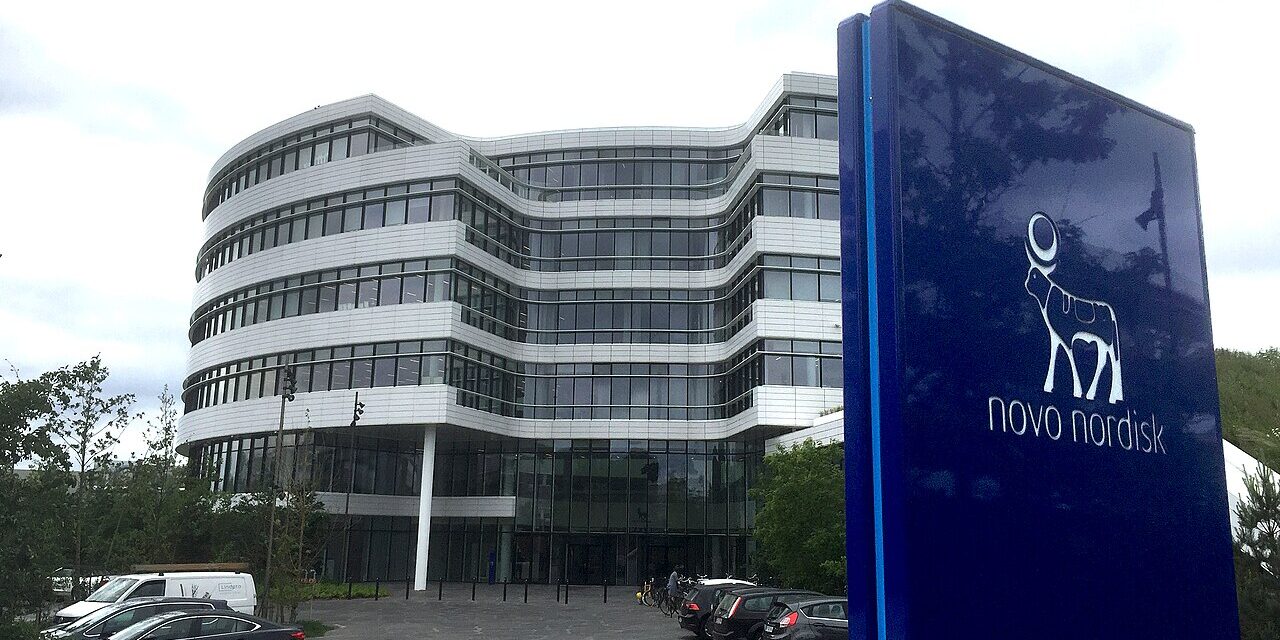
The filing timeline puts Eli Lilly in an increasingly dominant position over its closest rival, Novo Nordisk (NYSE: NVO), whose Wegovy has long been a cornerstone of the GLP-1 drug market.
In a Phase 3 study, retatrutide produced an average weight loss of up to 28.3% over 80 weeks, a figure that significantly outpaces anything Wegovy has demonstrated in clinical trials.
Researchers and analysts have noted that this level of efficacy is comparable to outcomes typically seen in bariatric surgery, a benchmark few medications have ever approached.
Retatrutide works by mimicking three gut hormones simultaneously, providing a triple-pathway mechanism that may explain why it outperforms currently approved weight-loss medications, including Zepbound itself.
In two additional Phase 3 trials, the drug produced meaningful weight loss in adults with obesity alongside serious related conditions, with patients with Type 2 diabetes losing up to 20.8% of body weight, or nearly 50 pounds, over 80 weeks.
A separate trial involving patients with severe obesity and established cardiovascular disease showed average weight loss of up to 22.6%, equivalent to approximately 55.8 pounds across the same treatment period.
Eli Lilly now has positive results from five late-stage trials supporting retatrutide, which the company is positioning as the next major pillar of its obesity drug portfolio.
Beyond obesity and diabetes, retatrutide is also being investigated for obstructive sleep apnea, chronic back pain, and metabolic dysfunction-associated steatotic liver disease, broadening its potential commercial reach considerably.
The drug’s ability to deliver aggressive weight loss may also appeal to patients with very high BMIs for whom existing treatments have not proven sufficient.
Eli Lilly’s GLP-1 business has been the primary growth engine for the company, bolstered earlier this year by the FDA’s approval of Foundayo, the pill version of its weight-loss treatment.
Strong demand for GLP-1 drugs in the fiscal second quarter prompted the company to raise its 2026 annual revenue forecast to between $85 billion and $87 billion, up from a prior guidance ceiling of $85 billion.
With retatrutide’s filing timeline now confirmed and a potential product launch on track for 2027, Novo Nordisk faces growing pressure to accelerate its own pipeline if it hopes to remain competitive in this rapidly evolving market.
