
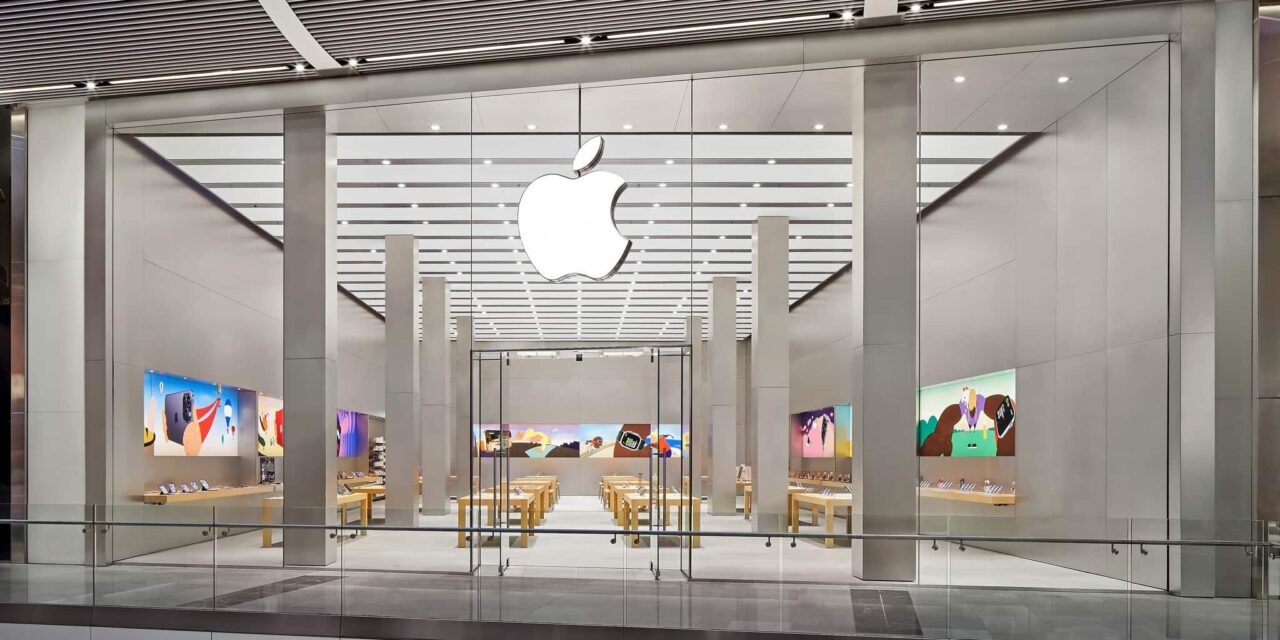
Apple (NASDAQ: AAPL) shares continued to slide on Friday while Amazon (NASDAQ: AMZN) stock surged, following earnings results posted by both companies the prior day.
The contrasting market reactions have drawn sharp attention from analysts and investors trying to assess where the artificial intelligence investment cycle is actually delivering returns.
Yahoo Finance Morning Brief host Julie Hyman, alongside Breaking News Reporter Jake Conley and Trustless Media Founder Zack Guzman, broke down the key figures driving the divergence between the two tech giants.
A memory chip shortage appears to be the central issue weighing on Apple, with the company signaling it cannot source enough chips across its full chipset lineup to keep pace with current demand.
The constraint is notable given Apple’s historically dominant negotiating leverage with suppliers, suggesting the broader chip scarcity is severe enough to affect even the most powerful buyers in the market.
Amazon, by contrast, delivered what analysts described as a very positive earnings report, with the company providing unusually specific detail about its AI products, client lists, and the trajectory of its capital spending plans.
One of the starkest comparisons drawn was between how Apple and Amazon communicated with analysts, with Apple offering vague assurances about Siri AI while Amazon detailed its Q agent product, existing clients, and an order backlog described as tripling year over year.
Amazon raised its capital expenditure projections for the year to approximately $220 billion, an increase of around $20 billion from previous guidance, and the market rewarded the stock for the move.
Amazon also reported negative free cash flow of $7.6 billion, mirroring Alphabet’s negative free cash flow position, though the market treated the two very differently, in part because Amazon has a longer history of cyclical spending surges followed by pullbacks.
Amazon also had the advantage of reporting after Alphabet and Meta, meaning investors had already processed earlier sell-offs and were more prepared to absorb heavy spending commitments from another hyperscaler.
Microsoft was cited as the clearest example of what the market rewards right now, with the company adding approximately $450 billion in value in a single trading day after demonstrating tangible AI returns.
The discussion also flagged that this earnings season marked Tim Cook’s final earnings call at Apple, adding uncertainty about how investors will gauge the company’s strategic direction going forward.
Looking ahead, some analysts remain cautiously optimistic on Apple given the likelihood of iPhone price increases expected in September alongside the next iPhone launch cycle.
The broader takeaway from the Magnificent Seven earnings season, according to the panel, is that companies able to demonstrate concrete AI returns are being rewarded immediately, while those with spending commitments and less defined payoffs face skepticism in the near term.
Chip demand remains the dominant investment thesis across the sector, and despite short-term volatility, market participants appear to be treating any pullback in leading AI-exposed names as a buying opportunity rather than a structural warning signal.
