
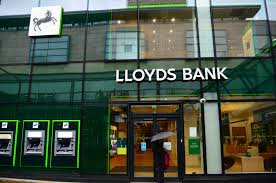
Barclays (LON: BARC), Lloyds Banking Group (LON: LLOY), and NatWest are forecast to report stronger first-half profits, even as the Iran war clouds the economic outlook for borrowers.
The three high street lending giants are scheduled to release their half-year results on Tuesday, Thursday, and Friday respectively, drawing close attention from investors and analysts.
Barclays is forecast to report a pre-tax profit of approximately £5.9 billion for the first six months of the year, up from £5.2 billion in the same period last year.
Lloyds is expected to have generated £4.1 billion, rising from £3.5 billion recorded in the first half of 2025.
Steve Payne, KPMG’s UK head of banking, said lenders are likely to continue benefiting from interest rates staying higher for longer, driven by persistent concerns about inflation.
Average fixed mortgage rates spiked in April following the financial uncertainty triggered by the US-Israel conflict with Iran and have continued edging higher in recent weeks.
Payne warned that the conflict’s economic fallout means “we will probably see at least some marginal, maybe slightly bigger than marginal, increases in the bad loan provisions that they put in place for people defaulting.”
“We’ve seen the impact of the war in terms of things like higher fuel and food costs and generally pushing the cost of living higher,” Payne said, pointing to a growing strain on household finances.
He cautioned that “there is a lag” before credit quality deteriorates, adding that “the longer it goes on for, the more likely we are to see that credit quality deteriorate.”
Payne noted that banks were likely to take a “realistic approach” by increasing their loan loss provisions in anticipation of potential defaults.
Richard Hunter, head of markets for Interactive Investor, said concerns have grown over higher inflation and reduced consumer spending, leaving the banking sector “under some pressure at various points throughout the year.”
Hunter added that “levels of customer defaults and impairment charges for possible bad debts will be central for sentiment” when the results are published this week.
He acknowledged that while higher-for-longer interest rates are broadly positive for bank earnings, they simultaneously “raise questions around mortgage availability and affordability, such that reported loan demand will be under the spotlight.”
The results arrive at a sensitive moment for UK households still absorbing the dual pressures of elevated energy bills and rising food prices linked directly to the ongoing Middle East conflict.
