
General Motors (NYSE: GM) delivered a strong second-quarter performance, beating Wall Street expectations with adjusted earnings per share of $3.57 against a consensus estimate of $3.19.
Revenue for the quarter came in at $48.03 billion, topping forecasts of $46.61 billion and rising 1.9% compared to the same period a year earlier.
Following the beat, GM raised its full-year 2026 profit outlook by $500 million, setting new targets for EBIT-adjusted earnings of between $14 billion and $16 billion.
The company also lifted its adjusted EPS guidance range to $12 to $14, reflecting confidence in the durability of its core North American business through the remainder of the year.
North America was the clear engine of growth, with Q2 EBIT-adjusted earnings rising more than 40% year over year and margins returning to GM’s target range of 8% to 10%.
A 2.5 percentage point margin expansion in the region was driven by lower electric vehicle losses, reduced warranty costs, and operational efficiencies that helped offset ongoing tariff-related pressures.
The GMC Sierra posted a record quarter, with sales rising 5% to 95,147 units, contributing to overall light-duty pickup sales growth of 4% across the company’s portfolio.
GM said it is on pace to lead the full-size pickup segment for a seventh consecutive year, with a market share of approximately 42%, underscoring the enduring strength of its truck lineup.
Profitability per unit for crossovers has increased fourfold since 2020, while full-size trucks and SUVs have seen per-unit profit growth exceeding 25%, reflecting years of pricing discipline and product investment.
GM reported that incentives as a percentage of MSRP averaged 4.7% in Q2, well below the industry average of 6.3%, with dealer inventory down 3% year over year and within the company’s targeted range of 50 to 60 days.
Total U.S. vehicle sales slipped 4.2% to approximately 715,000 units, a decline GM attributed to discontinued models and a pullback in EV demand following the expiration of the federal EV tax credit.
EV sales fell sharply across several models, with the Chevy Equinox EV dropping 61.8%, the Blazer EV declining 68.1%, and the GMC Hummer EV falling 56.8% during the quarter.
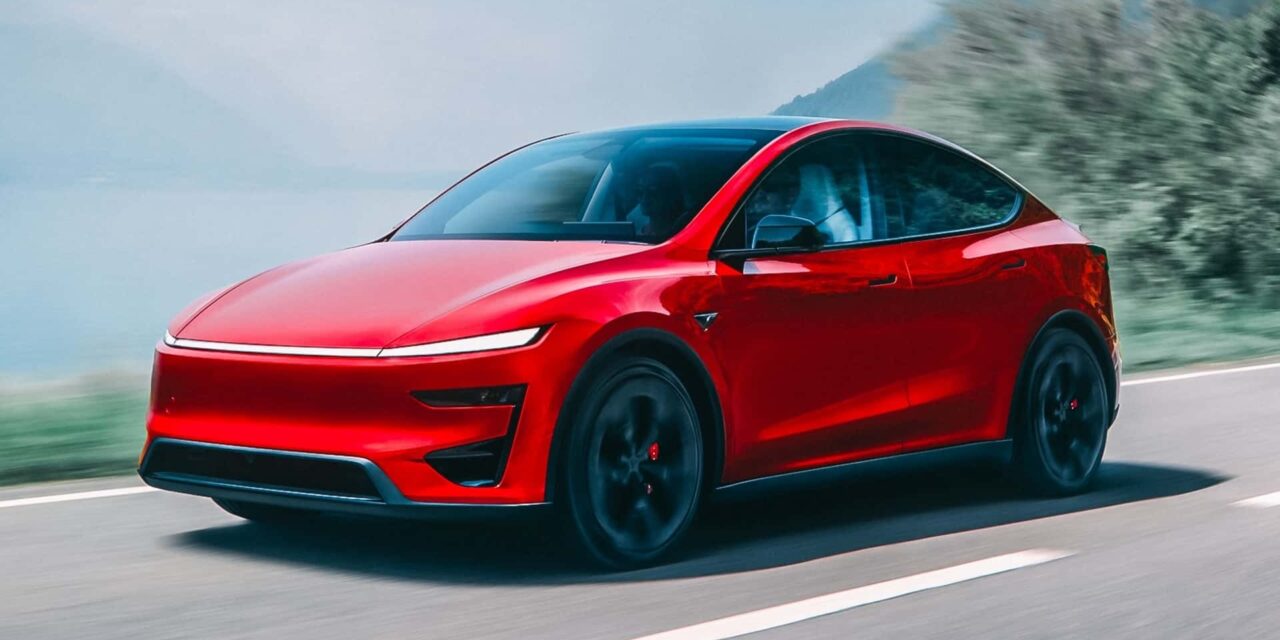
Despite those headwinds, GM maintained the number two EV market position behind Tesla, holding an estimated 13.5% to 14% share of the U.S. electric vehicle market.
By contrast, Tesla missed earnings expectations despite reporting record deliveries, as surging operating expenses drove a 57% year-over-year decline in operating income.
Tesla’s revenue rose 25.5% year over year to $28.24 billion, but operating margin collapsed to just 1.4% as expenses surged 47% on AI infrastructure, research and development, and stock-based compensation.
Tesla’s non-GAAP EPS came in at $0.33 against an estimate of $0.5367, a miss of nearly 40%, while free cash flow flipped to negative $1.09 billion for the quarter.
