
AST SpaceMobile (NASDAQ: ASTS) has shed 32% over the past month, while SpaceX (NASDAQ: SPCX) has dropped 34%, trading at fresh post-IPO lows amid a broad sector retreat.
The damage extends well beyond those two names, with Rocket Lab (NASDAQ: RKLB) falling 36% and Virgin Galactic (NYSE: SPCE) sliding 28% over the same period.
The diversified Procure Space ETF (NYSEARCA: UFO) has declined 14% over the past month, cushioned by its broader holdings compared to single-stock exposure.
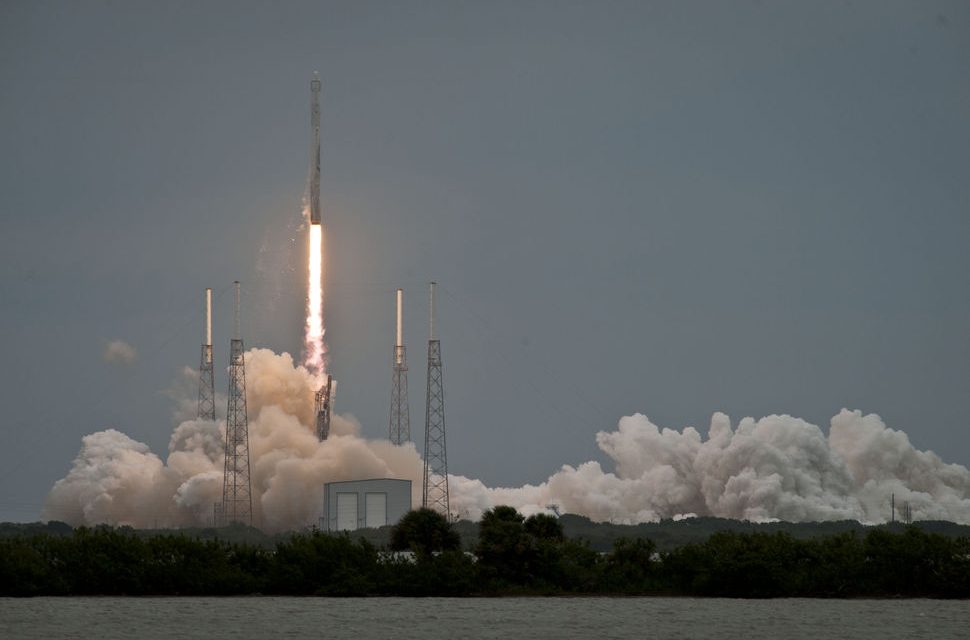
A scrubbed SpaceX Starship V3 Flight 13 deepened investor anxiety Thursday night, after CEO Elon Musk posted on X that some engines failed to start, triggering an automatic launch abort.
Musk indicated another launch attempt is expected within a few days, though the scrub had been anticipated as a positive catalyst and instead added to the selling pressure.
JPMorgan analyst Seth Seifman remains cautious on SpaceX, focusing on how quickly the second stage can refly and flagging refurbishment cost and time as key concerns, while also noting that short sellers have built a large bearish position in the shares.
AST SpaceMobile’s slide accelerated after the company announced a surprise $1 billion convertible senior notes offering priced at 1.625%, due 2034, with a $79.57 conversion price that sparked immediate dilution fears among investors.
Options traders Jon and Pete Najarian described the structure as “a pretty strong bet to the upside” given the conversion price, while stressing that AST SpaceMobile stock remains extremely volatile with implied volatility sitting at 100%.
Goldman Sachs data offers some broader context, noting its U.S. space and satellite basket is five times as volatile as the S&P 500 and twice as volatile as a comparable AI basket, yet the basket was still up 13% through July 14 after surging more than 360% over the prior two years.
Goldman analyst Louis Miller stated that the theme has evolved beyond the purely speculative, though “investor enthusiasm will likely move ahead of fundamentals at times,” making the path “uneven.”
Miller added that “picks and shovels” providers across communications infrastructure, semiconductors, materials, and manufacturing could lead the next leg of the space sector’s advance.
Goldman also noted that some space businesses could turn profitable next year, with the broader basket expected to be profitable by 2027, framing the current selloff as a volatile shakeout rather than a structural collapse.
The Procure Space ETF held AST SpaceMobile at a 4% weighting and Rocket Lab at 5% as of April 30, with a small Virgin Galactic position and no SpaceX exposure, which partly explains the fund’s shallower drawdown.
For investors seeking space exposure without the blowup risk of individual names, the ETF structure offers a measured route, though it also caps upside on any single-stock recovery.
Retail sentiment remains cautious, with a StockTwits poll showing space trailing memory and neoclouds among beaten-down sectors that investors said they wanted to buy.
Key catalysts to monitor include the next Starship launch attempt, any partnership or acquisition announcement tied to AST SpaceMobile’s $1 billion raise, and Rocket Lab’s Neutron debut launch targeted for the fourth quarter of 2026.
