
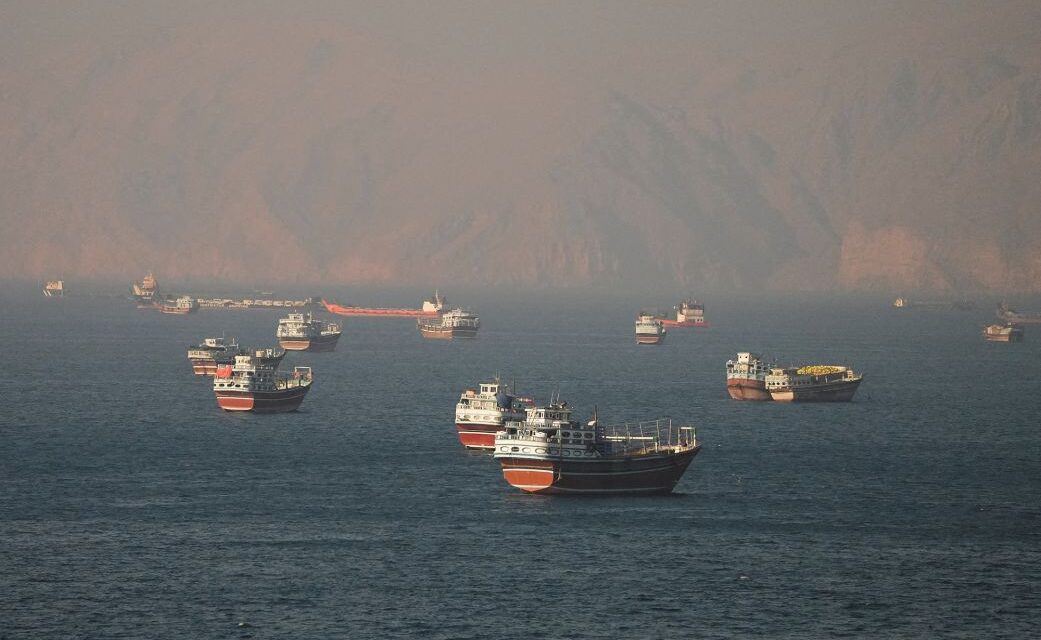
State-controlled Pakistan LNG has issued its second tender for spot LNG supply in as many weeks, as renewed hostilities in the Strait of Hormuz cut off Qatari shipments once more.
No LNG tankers have been observed exiting the Strait of Hormuz for days, forcing Islamabad to seek alternative cargoes on the costlier spot market.
Pakistan LNG is seeking to purchase an additional cargo for delivery in July, following last week’s tender for a cargo with a July 15-16 delivery window, according to a tender document seen by Bloomberg.
The decision to go back to the spot market was taken last Wednesday, after renewed hostilities led to the cancellation of one Qatari LNG cargo that was due to arrive in Pakistan later this month.
Anonymous traders familiar with the matter confirmed the cancellation to Bloomberg on Thursday, underscoring the fragility of Pakistan’s gas supply chain under current conditions.
Pakistan has historically sourced nearly all of its LNG from Qatar under long-term fixed deals, a dependence that has become a serious liability since conflict disrupted traffic through the Strait of Hormuz.
Bloomberg reported that Qatari LNG flows to Pakistan collapsed from almost 800,000 tons in January to less than 50,000 tons by April, with cargoes from Mozambique and Oman providing only partial relief.
The supply crunch triggered widespread power outages and fuel rationing across Pakistan during March and April, as the country scrambled to replace lost Qatari volumes during the worst of the crisis.
Rising temperatures have further strained the situation, pushing up power demand even as solar output to the grid fell, according to Muhammad Awais Ashraf, research director at AKD Securities.
Pakistan was even forced to purchase U.S. LNG to plug the supply gap, with a May cargo delivered at a price of $18.40 per MMBtu, a level Islamabad considers far from ideal on cost grounds.
State-controlled Pakistan LNG Ltd subsequently bought its most expensive spot LNG cargo in four years, securing a delivery for early the following week at approximately $20.70 per million British thermal units.
That price represents the highest Pakistan has paid for a spot LNG cargo since 2022, when Asian spot prices surged to record highs in the wake of Russia’s invasion of Ukraine.
The willingness to absorb such elevated costs signals that Islamabad expects the conflict affecting the Strait of Hormuz to continue disrupting supplies well into the coming months.
Pakistan has maintained close relations with Iran throughout the crisis and has relied on direct negotiations with Tehran to secure safe passage for Qatari LNG carriers bound for Pakistani ports.
As a key mediator in U.S.-Iran negotiations, Pakistan occupies a delicate diplomatic position, one that has so far afforded it some leverage in keeping supply corridors open during periods of relative calm.
