
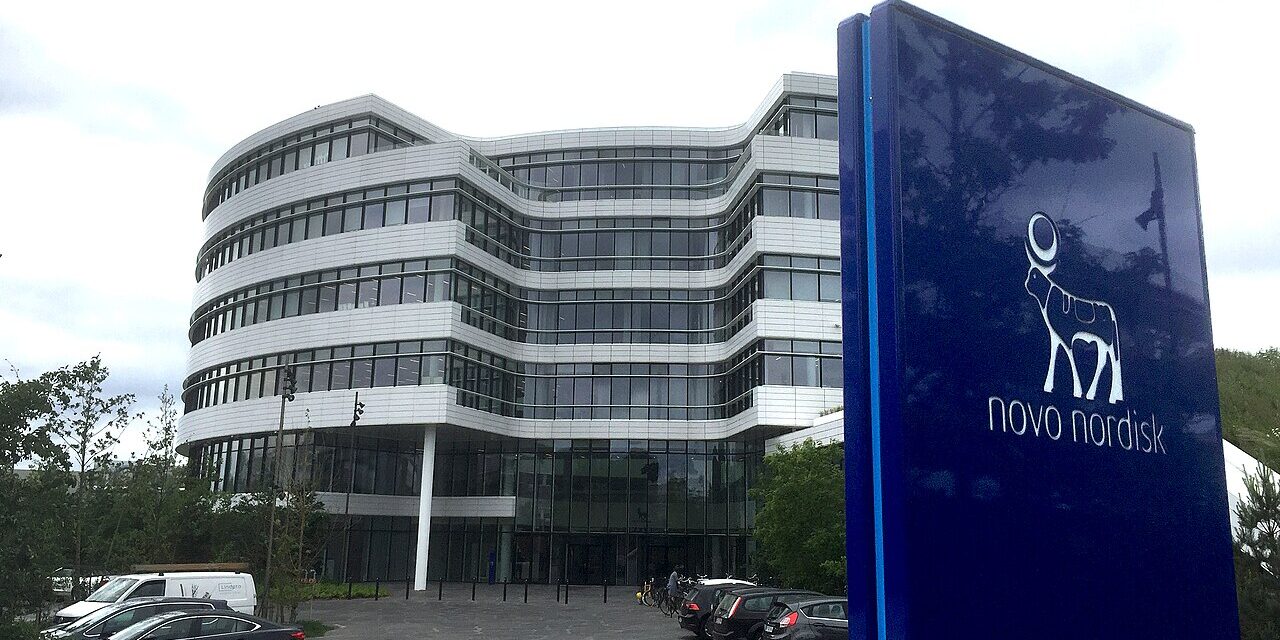
Novo Nordisk (NYSE: NVO) has shed 32.7% of its value over the past three years, yet multiple valuation frameworks suggest the shares may be trading well below their intrinsic worth.
Both a Discounted Cash Flow analysis and market multiple comparisons point to a meaningful gap between the current stock price and what the underlying business could reasonably be worth.
Medicare’s decision to extend coverage to certain GLP-1 weight loss drugs adds a demand tailwind that may not be fully reflected in the market’s current pricing of the stock.
At the same time, patent expiries flagged by Deutsche Bank and intensifying competition in obesity and diabetes treatments remain real headwinds that could cap how aggressively investors are willing to re-rate the shares.
Against that backdrop, Novo Nordisk screens as undervalued on five of six valuation checks within Simply Wall St’s broader analytical framework, suggesting the stock looks cheaper than many peers on fundamentals.
The DCF model is anchored to a latest twelve-month free cash flow figure of approximately DKK 48.2 billion, with cash flows assumed to continue growing from that base over the long-dated projection period.
On those assumptions, the DCF model produces an estimated intrinsic value of roughly $97 per share, implying the stock is approximately 48.1% undervalued relative to its current market price.
The gap between the model output and the prevailing share price likely reflects investor concern about future competition and patent risk, rather than a fundamental disagreement about near-term cash generation.
Novo Nordisk’s earnings multiple offers a similar signal, with the stock currently trading at a price-to-earnings ratio of approximately 12.1x, compared to a pharmaceuticals industry average of around 15.4x and a broader peer average of roughly 25.2x.
Simply Wall St’s model suggests a fair P/E of approximately 23.6x for Novo Nordisk given its size, margins, and risk profile, a figure materially above the current multiple and one that would imply significant upside if achieved.
Even after accounting for competitive dynamics, patent concerns, and policy developments around GLP-1 drugs, the stock trades well below the multiple that might ordinarily be expected for a company with these financial characteristics.
One community narrative on the stock describes Novo Nordisk as “a high-quality compounder available at a rare discount,” characterizing it as having “durable economics, undervalued optionality, and long-duration growth potential.”
Novo Nordisk’s one-year return of negative 24.7% has lagged behind its peer group, deepening the discount that both the DCF and earnings multiple analyses now highlight.
The central question for investors is whether the current pricing represents a genuine margin of safety against patent and competitive risks, or whether it signals deeper market skepticism about the durability of the company’s GLP-1 driven profitability over the long term.
With the DCF estimate and multiple checks broadly aligned, the burden of proof now falls on whether clarity around long-term GLP-1 demand and future product cycles will be enough to close the gap between price and estimated value.
