
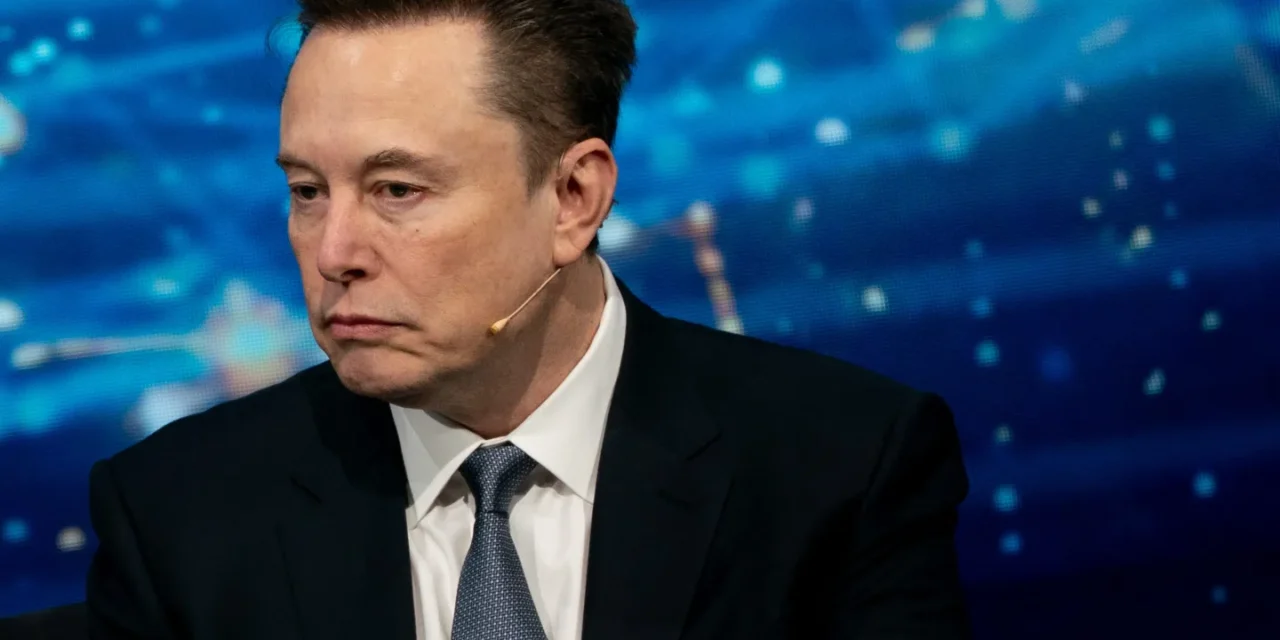
Elon Musk (NASDAQ: TSLA) once paid one of the largest individual tax bills in U.S. history after selling Tesla stock in 2021, a sum eclipsed only by Berkshire Hathaway’s (NYSE: BRK-B) staggering $26.8 billion payment in 2024.
Despite that record, Musk has made clear he believes Americans are already taxed far too heavily, with a 2024 Pittsburgh town hall clip now recirculating widely on X.
“You get taxed on what you earn, you get taxed on what you buy, and you get taxed on what you own,” Musk said while discussing government spending and taxation.
The comments were aimed squarely at public policy, but they carry an equally important lesson for everyday investors trying to build and protect long-term wealth.
Wealthy individuals typically work hard to avoid triggering taxable events in the first place, and that discipline is one of the core strategies that keeps affluent investors ahead of the curve.
One of the biggest misconceptions in personal finance is that net worth and income are the same thing, when in reality an investor can hold millions in assets without generating a single dollar of taxable income until those assets are sold.
Consider the math: a $100,000 gain on an asset sold today could trigger a 20% long-term capital gains tax, immediately sending $20,000 to the IRS and leaving only $80,000 available to compound going forward.
This is precisely why investors like Musk often prefer to hold appreciating assets or borrow against them rather than selling and triggering a taxable event that reduces their reinvestable capital.
A 2023 Morningstar study cited by CIBC found that while funds generated annualized returns of 7.7% over a 10-year period, the average investor earned just 6.0%, largely due to poor decisions about when to buy and sell.
Chasing performance, buying after gains and selling after losses, remains one of the most reliable ways for investors to destroy their own long-term returns regardless of market conditions.
Legendary investor Warren Buffett has long emphasized the power of compounding, with roughly 99% of his wealth accumulated after the age of 50 as decades of patient investing accelerated his portfolio’s growth.
Musk himself holds approximately $3.4 billion in real estate for tax purposes, including 6,000 acres of land across Texas, Starbase in Boca Chica, and Snailbrook, despite famously vowing to “own no house” back in 2020.
Real estate remains one of the most reliable diversification tools available to serious investors, offering income, appreciation, and tax advantages that pure stock portfolios cannot always replicate.
Working with a qualified financial advisor can help investors identify tax-efficient strategies, assess their timeline to retirement, and build an asset mix designed to minimize unnecessary tax drag over time.
Diversification across stocks, real estate, and alternative assets, combined with a long-term mindset and disciplined contribution habits, remains the most proven path to building wealth that survives both markets and tax bills.
