
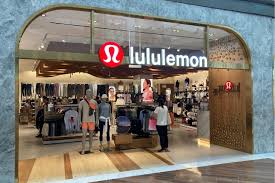
Lululemon (NASDAQ: LULU) has shed 50.4% of its value over the past six months, hitting a 52-week low of $105.41 per share amid softer quarterly results.
The steep decline has prompted investors to weigh whether the pullback represents a buying opportunity or a signal of deeper structural challenges ahead.
Originally serving yogis and hockey players, Lululemon operates as a designer, distributor, and retailer of athletic apparel for both men and women.
The company currently operates 816 retail locations, with store count growth averaging 7.4% annually over the past two years, well ahead of the broader consumer retail sector.
Rapid store expansion typically signals that a retailer is investing aggressively in growth, targeting areas where consumer demand outpaces the availability of nearby locations.
Lululemon has posted an average gross margin of 57.5% over the past two years, meaning the company paid suppliers just $42.52 for every $100 in revenue generated.
That level of gross margin reflects strong product differentiation, meaningful pricing power, and significant negotiating leverage with suppliers across its global supply chain.
High gross margins also give the company a favorable foundation for sustaining profitability, even as it continues to invest in marketing, talent, and physical retail expansion.
Lululemon has delivered an average operating margin of 20.8% over the past two years, a figure that places it among the most profitable businesses in the consumer retail space.
Operating margin strips out the effects of interest and taxes, making it a reliable measure of how efficiently a company manages its core business expenses from cost of goods to wages.
With shares now trading at 10 times forward price-to-earnings, some analysts view the current valuation as a meaningful discount relative to the company’s historical trading range and underlying business quality.
The combination of elite unit economics, accelerating store growth, and disciplined cost management continues to distinguish Lululemon from most of its peers in the athletic apparel category.
Whether the recent selloff reflects a temporary reaction to softer earnings or the beginning of a longer-term reset in growth expectations remains the central question for investors considering the stock at current levels.
