
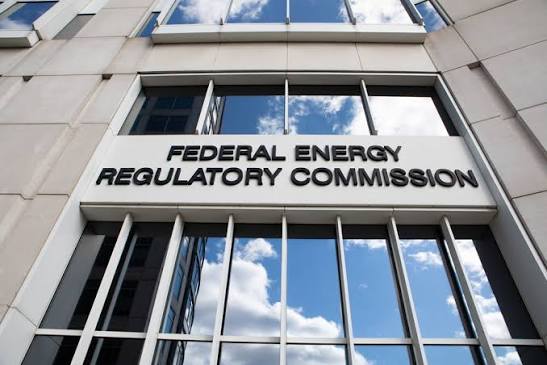
The Federal Energy Regulatory Commission has stepped decisively into one of America’s most heated energy disputes, asserting leadership over a fragmented power system struggling to meet surging AI-driven electricity demand.
The five-member commission voted unanimously to accelerate policies connecting AI data centers to the electric grid while directing the power industry to impose tighter controls on the ballooning costs of energy infrastructure construction.
“This FERC is not the old sleepy agency that it has been in the past. We can’t afford to be, and our country cannot afford for us to be,” FERC Chairman Laura Swett said following the vote.
Swett added that the commission remains “unified in protecting the American ratepayer,” signaling a more confrontational posture toward utility companies and grid operators than regulators have historically taken.
FERC initiated a sweeping investigation into how power grids and utility companies are dividing up the enormous costs of delivering electricity to data centers across the country.
Regional electricity grids serving nearly two-thirds of the United States were directed to demonstrate that rates and conditions applied to large data center connections are “just and reasonable,” or face federal intervention.
“Today we’re taking historic action to push our country’s electric markets and economy into the future,” Swett said at the commission meeting, framing the action as a generational shift in energy policy.
Under the commission’s order, data centers would bear the full cost of any grid upgrades required for their connection, a significant financial condition designed to shield ordinary utility customers from subsidizing corporate infrastructure.
The political urgency behind Thursday’s action traces back to October, when Energy Secretary Chris Wright sent a letter to FERC that triggered an eight-month regulatory sprint to address mounting problems around data center grid connections.
Swett acknowledged the extraordinary pressure on the commission, saying that “giving a clear directive, I’m hoping, will calm the fears and have us all get down and get to work instead of wondering and worrying about hypotheticals.”
She also expressed confidence in the White House’s reaction, stating, “I do believe that the White House and DOE should be pleased about what we did.”
Former FERC Chair Neil Chatterjee, a Republican, assessed the approach favorably, calling the design “faster and likely more legally defensible than a rule” while noting it “seems to pursue the same desired outcome.”
Robert Gramlich, president of consulting firm Grid Strategies, observed that FERC ultimately deviated from the approach Energy Secretary Wright preferred, instead stopping just short of encroaching on states’ retail rate-setting authority.
Data centers have grown politically toxic in communities across the country, with concerns over land use, water consumption, and rising household electricity bills filling city council chambers from Arizona to Indiana.
In Virginia and New Jersey, sharply higher electricity prices contributed to Democratic wins in last November’s statewide elections, while in Georgia, voters ousted Republican members of the state public utility commission over utility costs.
“The President’s support for FERC Chair Swett was clearly demonstrated when he had the FERC commissioners stand and be recognized at the Ratepayer Protection Plan signing,” a White House spokesperson said in a statement.
The Sierra Club, which filed 4,000 member comments during an earlier public comment period, said FERC’s announcement was “responsive to Sierra Club’s requests on several fronts, including protecting consumers from costs incurred by large loads.”
State-level bodies including the National Association of Regulatory Utility Commissioners and the Virginia State Corporation Commission filed official comments warning against national standardization of large-load interconnection rules.
Swett was direct about the affordability concerns driving the commission’s actions, saying “many Americans are increasingly concerned about the interconnection of large loads, and data centers will increase their bills in that stress.”
FERC’s assertive posture invites potential litigation from state regulators protective of their authority over local utility rates, making the legal durability of Thursday’s orders a key question for the months ahead.
