
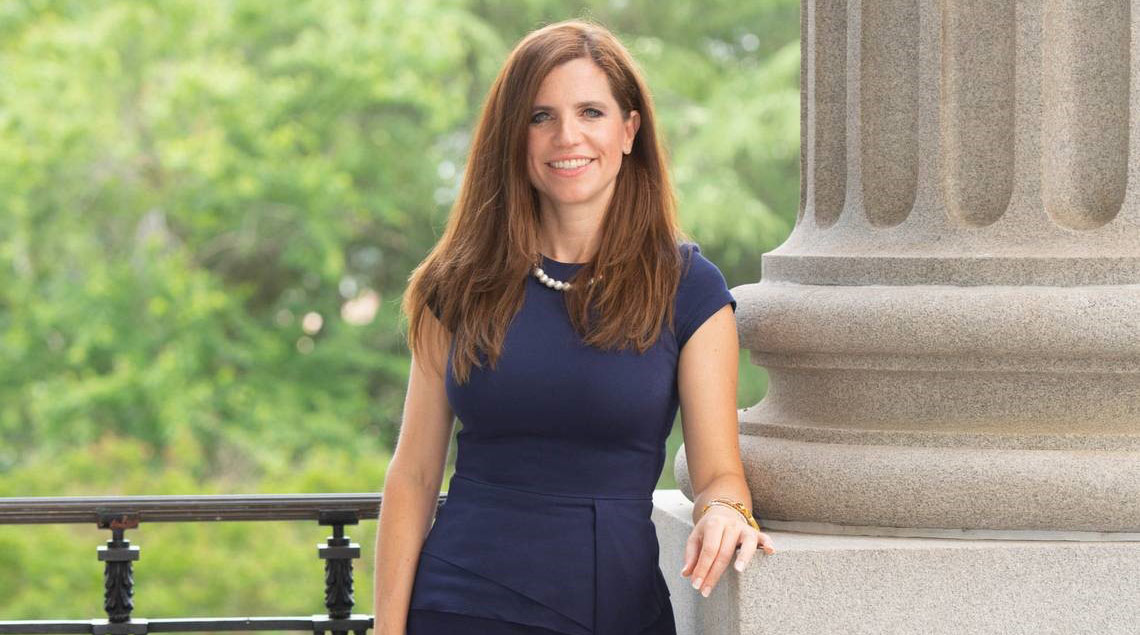
The race to fill the South Carolina congressional seat vacated by Nancy Mace is intensifying, with the upcoming runoff drawing significant political attention from both parties.
Democratic candidates vying for the seat have declined to participate in a debate ahead of the runoff election, a decision that has drawn scrutiny from political observers and opponents alike.
The refusal to debate raises questions about the strategic calculations being made by Democratic hopefuls in a race that carries notable implications for the broader political landscape.
Runoff elections frequently produce lower voter turnout than general elections, making candidate visibility and direct voter engagement all the more critical for campaigns in competitive districts.
Debates have traditionally served as a key vehicle for voters to compare candidates side by side, and skipping them can leave an information vacuum that opponents are quick to exploit.
The seat previously held by Mace has become a focal point for both parties, with Republicans and Democrats viewing the outcome as an early indicator of electoral momentum heading into the broader cycle.
South Carolina’s political geography means that any Democrat seeking to be competitive must carefully manage resources and messaging, particularly in a district where Republicans have held structural advantages.
The decision to forgo debates may reflect a campaign strategy centered on direct voter outreach and targeted advertising rather than high-profile public confrontations with rival candidates.
Political strategists often weigh the risks of debating against the potential rewards, particularly in primaries and runoffs where the electorate is smaller and more ideologically defined.
Republican candidates, meanwhile, are likely to use the Democratic debate refusal as a line of attack, framing it as an unwillingness to face scrutiny or answer for their positions.
The outcome of the runoff will ultimately depend on which campaign can most effectively mobilize its base, a challenge that becomes more acute in lower-turnout electoral contests.
Voters in the district will be watching closely to see whether the Democratic candidates reverse course on debates or maintain their current posture through to election day.
