
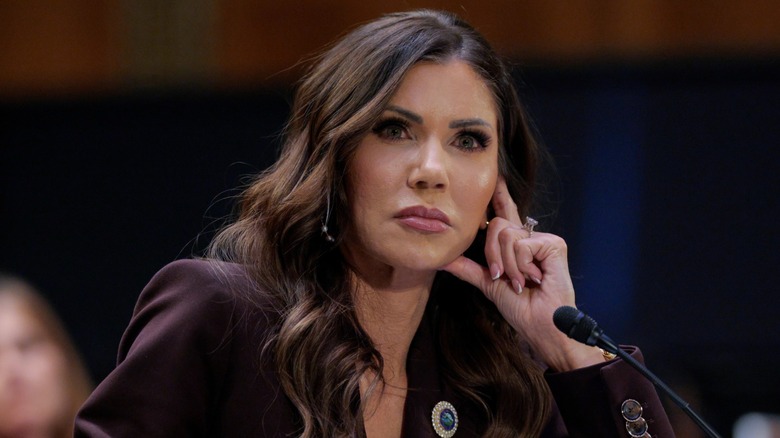
Kristi Noem, the former U.S. Secretary of Homeland Security, drew widespread mockery after referring to Costa Rica as a South American ally during an official address.
Costa Rica is located in Central America, not South America, making the geographical error a significant factual blunder for a senior cabinet official.
The mistake quickly spread across social media platforms, with critics and commentators pointing to the gaffe as an embarrassing lapse in basic geographical knowledge.
Noem was speaking in the context of U.S. partnerships in the Western Hemisphere, framing Costa Rica as a key ally in broader regional security and migration policy efforts.
Costa Rica has long maintained a reputation as one of Central America’s most stable democracies, and it does cooperate with Washington on immigration enforcement and counter-narcotics operations.
However, conflating Central America with South America is a distinction that carries real diplomatic and geopolitical weight, particularly for the countries and regions involved.
The error comes at a time when the Trump administration has been intensifying its focus on migration flows from Latin America, making accurate regional knowledge a matter of policy relevance.
Critics argued that a cabinet secretary overseeing border and immigration enforcement should command a firm understanding of the geographic and political landscape of the Americas.
Supporters of Noem dismissed the backlash as politically motivated, suggesting that opponents were seizing on a verbal slip rather than engaging with the substance of U.S. foreign policy goals.
The incident adds to a pattern of scrutiny Noem has faced since taking on one of the most high-profile roles in the current administration, where her public statements are closely watched.
Regardless of political interpretation, the episode reignited broader conversations about the level of regional expertise expected from officials shaping U.S. policy toward Latin America.
Costa Rica has not issued any formal response to the misidentification, though the moment has generated considerable attention across Central American and international media outlets.
