
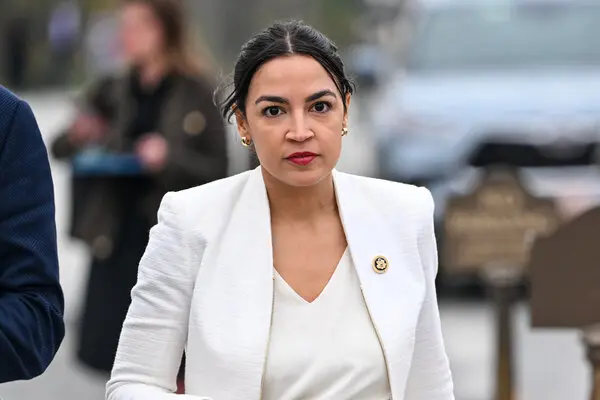
The prominent New York congresswoman Alexandria Ocasio-Cortez has built a striking endorsement record in recent electoral cycles, generating significant debate among progressive activists and Democratic Party strategists.
Her backing of candidates across competitive primary races has produced a string of notable outcomes, drawing both admiration from left-wing organizers and sharp criticism from others within the broader progressive coalition.
Supporters argue that her endorsements carry genuine electoral weight, demonstrating that a firmly progressive message can translate into real votes across diverse districts and demographic groups.
Critics, however, contend that her involvement in certain races has deepened existing fault lines within the left, raising difficult questions about ideological purity versus pragmatic coalition-building.
The tension reflects a broader struggle inside the Democratic Party over who controls the direction of the progressive movement and which candidates deserve the backing of its most prominent voices.
Ocasio-Cortez has become one of the most sought-after endorsers among left-leaning candidates, with her support widely regarded as a significant fundraising and visibility boost in competitive contests.
Her social media reach and grassroots donor network give her endorsements an outsized influence that few other figures on the American left can match in today’s media environment.
That influence has made her a polarizing figure among Democratic operatives, some of whom view her electoral interventions as helpful and others who see them as a complicating force within the party.
The debate over her endorsement strategy ultimately touches on deeper disagreements about how the American left should balance idealism with electability heading into future election cycles.
As the Democratic Party continues to navigate its internal divisions, Ocasio-Cortez’s role as a kingmaker figure will likely remain one of the most closely watched and contested dynamics in progressive politics.
