
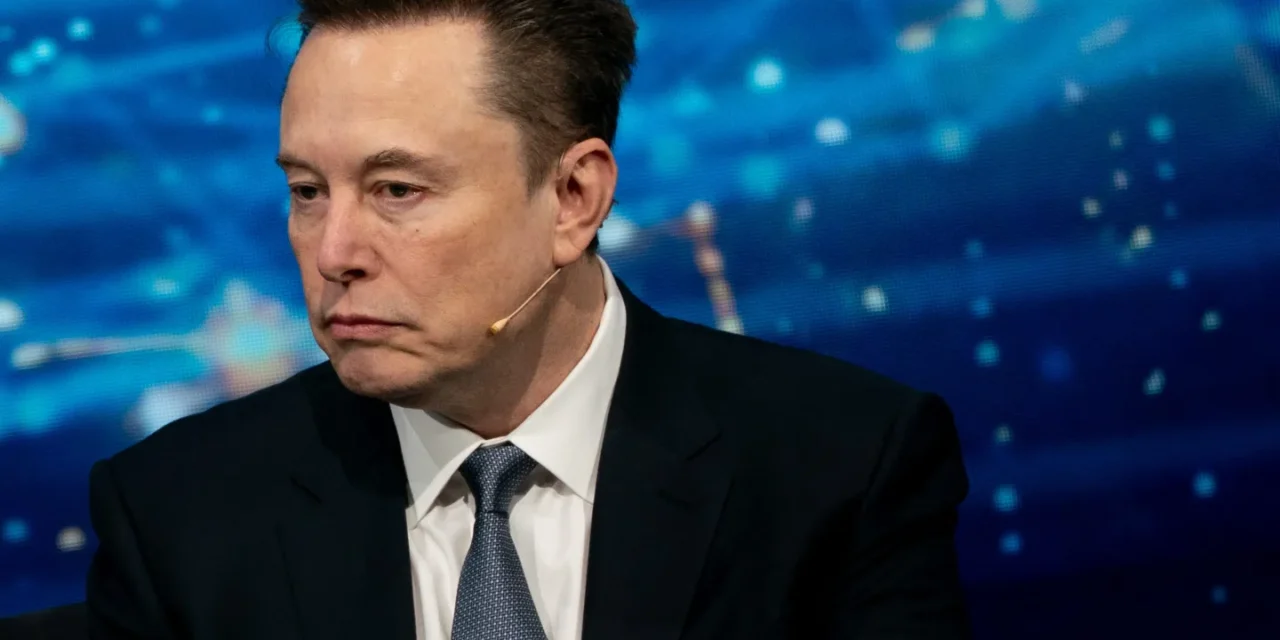
Conflicting figures continue to circulate around Elon Musk’s wealth, with most major trackers reporting numbers in the hundreds of billions to over a trillion dollars. A new analysis from Congress.net puts his realistically liquid net worth at between 230 and 270 billion dollars, a figure substantially lower than the headline estimates currently making the rounds.
The discrepancy stems from how wealth trackers calculate figures for individuals whose fortunes are concentrated in equity holdings rather than cash or liquid assets. Musk’s case represents an extreme version of this problem given the scale of his stock positions across multiple companies.
Tesla remains the most established component of Musk’s wealth. SEC filings show the Musk Revocable Trust holds a significant block of Tesla shares alongside stock options tied to his 2018 executive compensation package. That package faced years of legal challenges in Delaware courts before being upheld by the state’s Supreme Court.
This Tesla position represents a substantial percentage of the company’s total outstanding shares. Holdings of this size cannot be sold quickly without affecting the share price, meaning quoted market values tend to overstate what could realistically be obtained through a sale.
The bigger factor behind the inflated headline figures is SpaceX. The company recently completed a record-breaking initial public offering on the Nasdaq following its merger with xAI earlier this year. Shares surged on their debut, pushing the company’s market capitalization into the trillions within days of trading.
However, only a small fraction of SpaceX shares are currently available to public investors, and standard lock-up agreements prevent company insiders from selling shares for several months following an IPO. This means Musk’s SpaceX stake cannot be considered part of his liquid net worth for the foreseeable future, regardless of where the share price sits.
Congress.net’s analysis applies discounts based on how large stock positions are typically unwound in practice. A gradual sale of Musk’s Tesla holdings, spread over an extended period, would likely face a meaningful discount against current market prices due to the size of the position relative to daily trading volume.
Once these adjustments are applied to Tesla and smaller stakes in companies like Neuralink and The Boring Company, while excluding the locked-up SpaceX position entirely, the analysis arrives at the 230-270 billion dollar range.
This is described as the figure most representative of what Musk could realistically access if he needed to liquidate his holdings, as opposed to the paper value reflected in daily stock price movements.
The gap between this figure and the trillion-dollar estimates highlights an ongoing debate among financial analysts about how wealth should be measured for individuals whose net worth is overwhelmingly tied up in concentrated, illiquid equity positions.
