
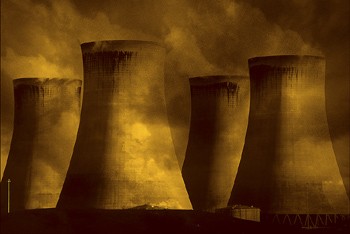
Nuclear power is staging a significant global comeback as governments and technology companies race to secure reliable, low-carbon energy sources for the decades ahead.
Japan has outlined ambitious plans to rebuild up to 14 reactors by 2050, signaling a dramatic reversal from the country’s post-Fukushima retreat from atomic energy.
China is simultaneously expanding what is already the world’s largest nuclear fleet, with seven new reactors expected to come online this year alone.
Beijing’s nuclear construction pipeline extends well beyond those seven reactors, with dozens more currently under construction across the country.
The scale of China’s nuclear expansion reflects a broader strategic push to reduce dependence on imported fossil fuels while meeting surging domestic electricity demand.
Rising concerns over energy security are a central driver behind the renewed global enthusiasm for nuclear power, as nations look to insulate themselves from geopolitical supply disruptions.
Fuel price volatility has also sharpened the appeal of nuclear energy, which offers stable long-term operating costs once generation capacity is built and commissioned.
Dependence on energy imports has long been viewed as a strategic vulnerability, and nuclear power offers countries a path toward greater self-sufficiency in electricity generation.
Technology companies have emerged as an increasingly influential force behind the nuclear revival, seeking large volumes of clean, consistent power to run data centers and artificial intelligence infrastructure.
The convergence of government energy security priorities and corporate demand for reliable low-carbon power is giving new momentum to what analysts describe as an “all of the above” approach to energy policy.
This strategy moves away from reliance on any single energy source, instead layering nuclear alongside renewables and storage to create more resilient national grids.
The trend marks a significant shift in political attitudes toward nuclear energy in many countries, where opposition once dominated public and policy debate following high-profile accidents.
With energy security now ranking alongside climate commitments as a top policy priority, nuclear power appears positioned to play a central role in the global electricity landscape through mid-century.
