
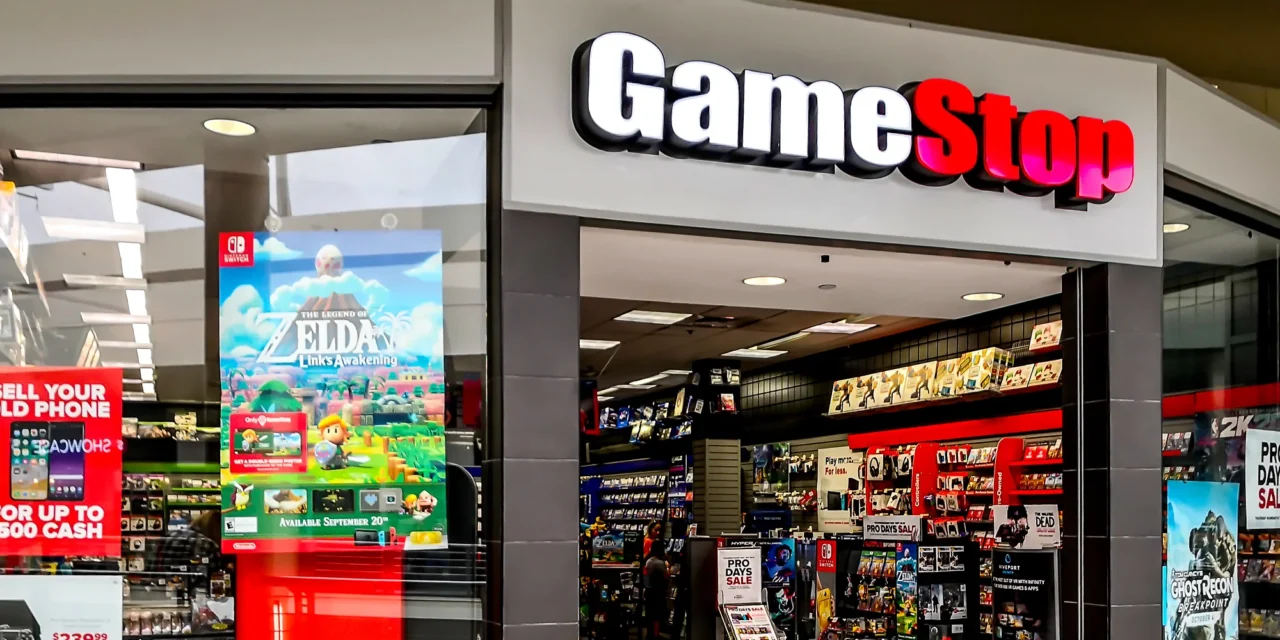
GameStop (NYSE: GME) CEO Ryan Cohen has launched a hostile takeover bid for eBay, taking the offer directly to eBay shareholders after the company’s board rejected the initial proposal.
The aggressive move signals a dramatic shift in how GameStop is positioning itself, pushing well beyond its traditional brick-and-mortar video game retail roots into the broader online marketplace arena.
At the same time, GameStop announced a $2 billion share repurchase program, directly tied to its growing focus on collectibles and a fundamental change in how the company deploys its capital.
The buyback authorization runs through June 2029 and sits alongside first-quarter fiscal 2026 results that showed net income of $389.6 million, a substantial jump from $44.8 million recorded in the same period a year earlier.
Q1 FY2026 sales reached $835.3 million, providing the company with a stronger financial foundation as it pursues what amounts to a twin-track strategy of acquisitions and capital returns simultaneously.
Collectibles have been identified by management as a key growth driver, which helps explain why both a major marketplace acquisition and a large-scale buyback program are being treated as part of the same overarching strategic plan.
A successful eBay acquisition would push GameStop significantly deeper into online marketplaces, placing it in more direct competition with platforms like Etsy and Amazon, and would fundamentally reshape how investors assess its exposure to e-commerce and payments.
However, a hostile takeover process can be lengthy and expensive, raising legitimate questions about whether the company’s cash resources can comfortably support a prolonged acquisition campaign while simultaneously funding a long-dated buyback program.
Integrating a large e-commerce platform at the scale of eBay would also be operationally complex, with any missteps carrying the risk of damaging relationships with customers and third-party sellers in a market dominated by deeply entrenched competitors.
For investors, the critical variables to monitor include how eBay shareholders respond to Cohen’s direct appeal, any counter-moves from the eBay board or competing bidders, and whether regulatory authorities weigh in on a potential combination.
On the buyback side, the actual pace of repurchase activity relative to the headline $2 billion authorization will reveal how the board is genuinely balancing cash preservation, acquisition financing, and investment in collectibles-focused operations.
Upcoming quarterly filings, particularly details on cash reserves, debt levels, and continued collectibles growth, will serve as important reference points for evaluating whether this dual approach strengthens or strains GameStop’s long-term positioning in online commerce.
