
Quantum computing is rapidly moving from theoretical promise to commercial reality, with new breakthroughs emerging on a near-monthly basis across the industry.
Investors who position themselves early in this space stand to benefit most, as the largest gains historically accumulate well before a transformative technology reaches mainstream adoption.
Three stocks that represent compelling and distinct ways to gain exposure to quantum computing are Alphabet (NASDAQ: GOOGL), IonQ (NYSE: IONQ), and Nvidia (NASDAQ: NVDA).
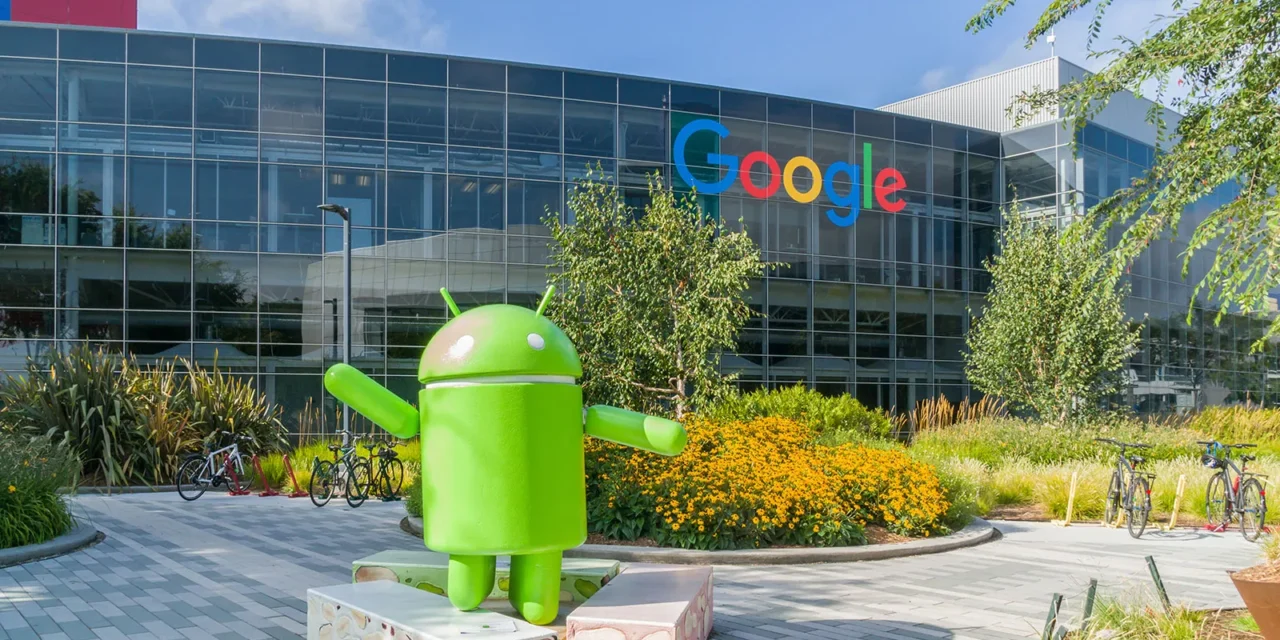
Alphabet is one of the most resource-rich competitors in the quantum computing space, backed by robust and growing cash flows from its advertising, cloud computing, and artificial intelligence business segments.
The company’s financial self-sufficiency means it does not need to publicly announce every breakthrough, lending its quantum research program a degree of secrecy that makes each public announcement carry significant weight.
Alphabet was among the first to unveil a quantum algorithm with meaningful real-world applications, including potential use in MRI scanning technology, and has also developed an algorithm capable of breaking cryptocurrency blockchain encryption.
These achievements are underpinned by the company’s Willow quantum computing chip, which features 105 qubits, placing it among the most powerful quantum processors currently available.
IonQ sits at the opposite end of the risk spectrum, operating as a pure-play quantum computing company with no fallback business to cushion against setbacks if the technology stalls.
Rather than pursuing raw speed, IonQ focuses on accuracy, and currently holds the world record for two-qubit gate fidelity at 99.99%, equating to just one error in every 10,000 operations.
Most competitors have struggled to breach the 99.9% threshold, with Rigetti Computing only reaching that level in prototype systems, underscoring the scale of IonQ’s technical advantage.
IonQ’s commercial momentum is accelerating sharply, with revenue surging 755% in the first quarter of 2026, driven by recognized contract revenue and new system sales.
Nvidia is approaching quantum computing from a different strategic angle, positioning itself as the essential bridge between classical and quantum computing rather than building its own quantum processing unit.
The company has retooled its industry-leading CUDA software to include quantum functions, renaming the platform CUDA-Q, and developed a generative AI model specifically designed to assist with error correction in quantum systems.
Nvidia also introduced NVQLink, a technology that allows quantum computers to integrate directly into existing computing networks, reinforcing its role as a connector across both computing paradigms.
If quantum computing proves transformative, Nvidia’s hybrid infrastructure play positions it for continued dominance; if the technology falters, its accelerated computing hardware remains the industry standard for high-performance workloads.
