
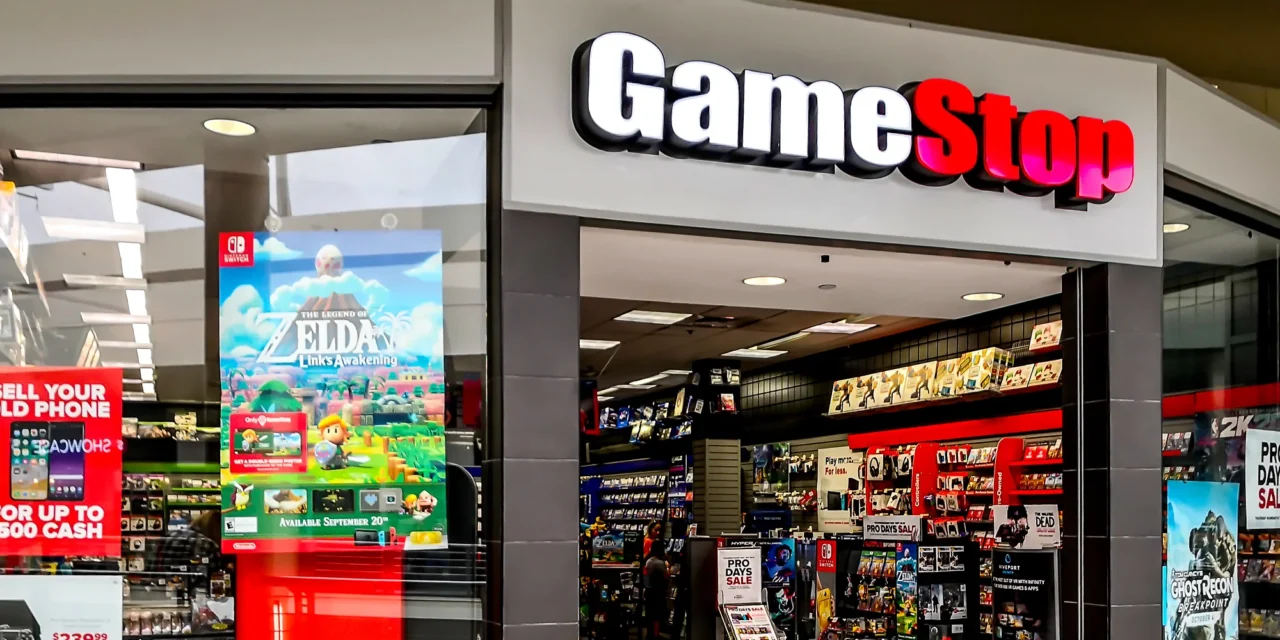
GameStop (NYSE: GME) has drawn significant Wall Street attention after making an unexpected move to acquire online marketplace eBay (NASDAQ: EBAY).
Earlier this month, GameStop chairman Ryan Cohen offered approximately $56 billion to acquire eBay and proposed taking over as chief executive of the combined company.
eBay swiftly rejected the proposal, publicly describing it as neither credible nor attractive, dealing an early blow to Cohen’s ambitions.
The rejection has not entirely closed the door on a potential deal, but it has shifted market focus toward what Cohen’s next move might be.
Cohen could attempt to appeal directly to eBay shareholders, increase GameStop’s existing stake in the company, or continue applying public pressure on eBay’s management.
Analysts note that none of those available paths appear straightforward, with each carrying its own significant set of challenges and uncertainties.
The central concern surrounding the proposed acquisition remains the question of how GameStop would finance a transaction of this scale.
While GameStop has accumulated a substantial cash position, eBay remains several times larger than the video game retailer by market valuation.
That size disparity has left analysts broadly skeptical about whether a deal of this magnitude can realistically be assembled and completed.
The situation continues to evolve, with investors and market observers closely watching for any indication of Cohen’s strategy following eBay’s firm public rebuff of the initial offer.
