
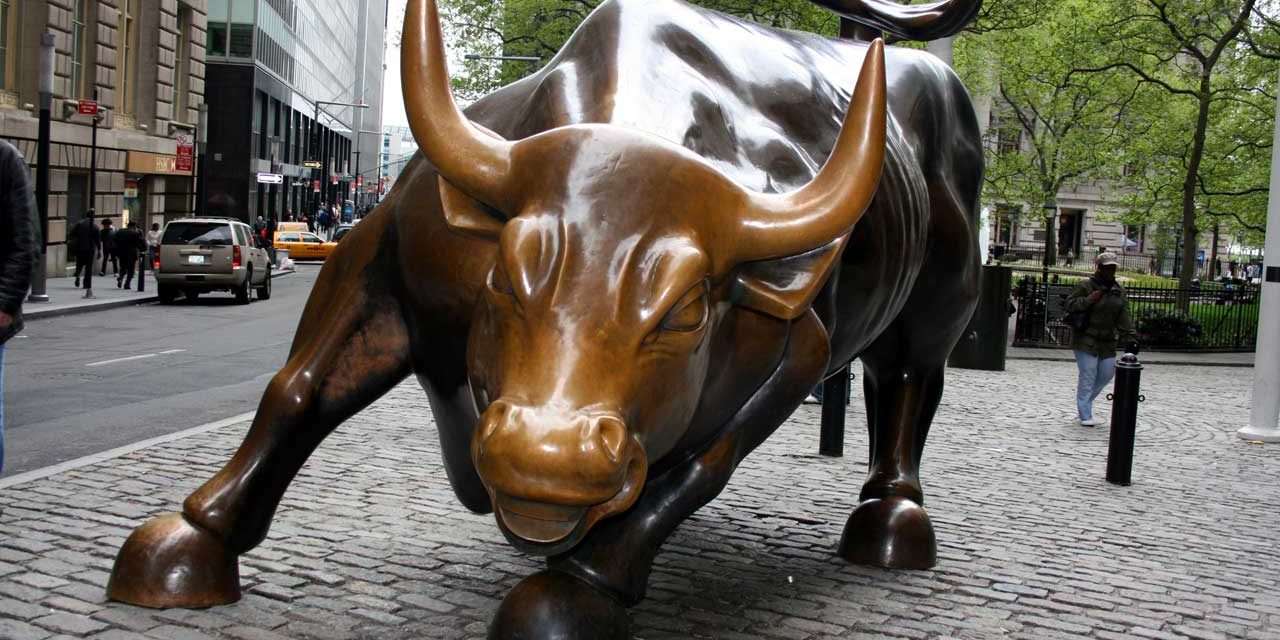
The Dow Jones Industrial Average gave back a substantial portion of the previous day’s milestone gains on Friday May 15, falling 537.29 points or 1.07% to close at 49,526.17 after failing to hold above the psychologically significant 50,000 level it had recaptured just 24 hours earlier.
Thursday’s 370-point surge to 50,063.46 had been driven by a specific combination of factors including Cisco’s blowout earnings, diplomatic optimism from the Trump-Xi summit in Beijing, and solid broader economic data.
By Friday, each of those supports had partially eroded, with the S&P 500 dropping 1%, the Nasdaq Composite falling 1.4%, and the Dow shedding 336 points in early trading before the selling accelerated into the close.
The most significant structural headwind driving Friday’s session was a sharp move higher in Treasury yields, with the 10-year note yield spiking nine basis points to 4.55%, the highest level in a year.
The 30-year bond yield jumped more than 10 basis points to 5.114%, its highest reading since May 2025 and approaching levels not seen since October 2023.
The Trump-Xi summit in Beijing concluded without the transformative trade or diplomatic breakthroughs that investors had priced in, with President Trump departing to announce what he framed as a fantastic set of deals while no major formal agreements had been signed before he left.
The most headline-generating announcement from the summit, that the two presidents had agreed the Strait of Hormuz must remain a free waterway, had already been absorbed into Thursday’s rally and offered no fresh catalyst on Friday.
Boeing (NYSE: BA) was the most visible corporate casualty of the summit’s underwhelming conclusion, falling 2.8% to $222.70 after losing 3.8% the previous session, as the anticipated Chinese aircraft order came in at 200 planes rather than the 500 or more that analysts at Jefferies had estimated.
GE Aerospace (NYSE: GE) also faced pressure given the direct link between Boeing aircraft orders and the engine contracts that accompany them.
Trump’s own comments on Friday added to the cautious mood, with the president telling Fox News he was not going to be much more patient with Tehran, signalling that the Middle East conflict remained far from resolved.
Brent crude settled above $109 and WTI above $105, sustaining the inflationary pressure on household fuel costs, transportation, and industrial inputs that has been building throughout 2026.
JPMorgan Chase (NYSE: JPM), Goldman Sachs (NYSE: GS), and American Express (NYSE: AXP) all faced selling pressure as investors weighed the balance of financial sector risk in a rising yield environment.
Defensive components provided limited cushion, with Chevron (NYSE: CVX) benefiting from higher oil prices, Visa (NYSE: V) showing relative resilience, and Procter & Gamble (NYSE: PG) attracting some rotation buying ahead of the weekend.
Friday May 15 was Jerome Powell’s last day as Federal Reserve Chair after eight years, with Kevin Warsh officially taking over at an institution facing a market that had repriced the probability of a 2026 rate hike from 1% to 45% in a single month.
Amazon (NASDAQ: AMZN) added to the technology sector’s difficult session after announcing another round of job cuts affecting its Selling Partner Services division, the latest in a series of headcount reductions totalling approximately 30,000 over the prior six months.
Despite Friday’s sharp decline, the Dow finished the full week down just 0.05%, with Thursday’s extraordinary gains having effectively cushioned the close and leaving the index in a weekly draw that masked the intraday volatility across the two sessions.
