
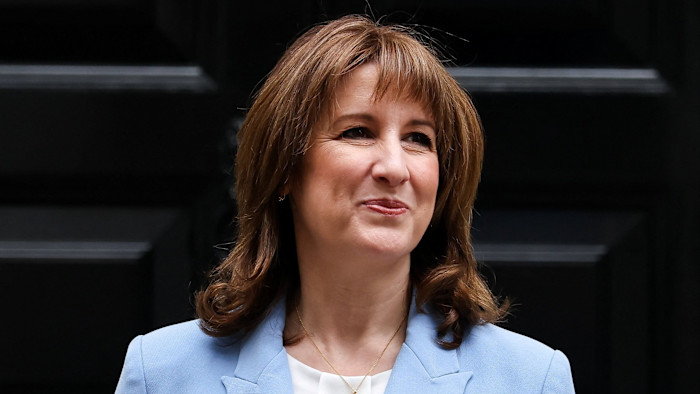
The TaxPayers’ Alliance has responded positively to reports that Chancellor Rachel Reeves is preparing to abandon the planned fuel duty hike, calling the move a welcome reprieve for motorists already hammered by soaring pump prices driven by the conflict in the Middle East.
John O’Connell, chief executive of the TaxPayers’ Alliance, said motorists will be relieved to hear the chancellor is scrapping the planned hike, adding that after months of dither and delay, families and businesses deserve a clear commitment that the rise will not go ahead.
The planned increase would have reversed the 5p per litre cut first introduced in 2022 in response to the Ukraine invasion, with fuel duty set to climb from 53p per litre to 58p per litre in a phased process running from September 2026 through to March 2027.
The TPA had warned that pushing ahead with the hike would have poured fuel on the fire of already surging pump prices, with petrol expected to hit an average of 140p per litre and diesel reaching around 160p per litre in the weeks following the Iran conflict’s disruption to Gulf supply routes.
The campaigning group had been running an active push to get the hike shelved, arguing it represents a regressive tax that falls hardest on the poorest households, rural communities, and the small businesses for whom road transport is an unavoidable operating cost.
TPA researcher Anne Strickland had previously noted that average households currently spend around £36,285 over a lifetime on fuel duty and related charges, and that the planned 5p rise would add approximately £3,400 to that figure, pushing the lifetime total to nearly £40,000 in today’s money.
The group has also been pushing a separate demand that sits beyond just freezing the duty rate: the removal of VAT from the fuel duty component of petrol and diesel pricing, a change that would end what they describe as a tax upon a tax.
At present, VAT is applied both to the base price of the fuel and to the fuel duty element sitting on top of it, meaning motorists effectively pay tax on a government levy rather than solely on the cost of the product itself.
The TPA calculates that disapplying VAT from fuel duty would reduce the tax burden on petrol and diesel by 11p per litre, translating to a saving of nearly £6 per full tank and around £100 per year for a typical motorist filling up every three weeks.
Treasury sources briefing the FairFuelUK campaign had signalled Reeves was preparing to drop the rise, though insiders noted any reprieve was likely to be temporary and may not survive beyond the March 2027 Financial Statement, when the government faces a fresh set of fiscal decisions.
Since hostilities escalated in the Gulf, UK drivers have paid an estimated £3 billion more to fill up, while the Treasury has collected close to an additional £500 million in VAT receipts off the back of elevated pump prices alone.
The UK was already above the European average fuel duty rate before the planned hike, with the current 53p per litre placing Britain as the fourth highest for diesel and tenth highest for petrol among EU member states, sitting at nearly double the rate paid in lower-taxed countries such as Malta.
Several countries across Europe and beyond have moved to cut, suspend or cap fuel taxes since the Iran conflict began, including Germany, Spain, Poland, Ireland, India and Canada, placing the UK in an increasingly conspicuous position among developed nations for maintaining its current rate let alone raising it.
O’Connell said the chancellor certainly was not to blame for the expected surge in petrol prices, but that if she had chosen to press ahead with the hike she would have been directly responsible for adding to that burden, and that she needed to also look at pausing VAT on fuel duty as a matter of urgency.
