
AST SpaceMobile (ASTS) printed Thursday around $74, recovering strongly from an intraday low of $65.76 to close within a fraction of the session’s $74.36 high. Volume came in at 18.68 million shares against a daily average of just under 15 million, and the intraday recovery — more than 12% off the low — suggested buyers were willing to step in at the week’s distressed levels. But the context around that session tells a more complicated story.
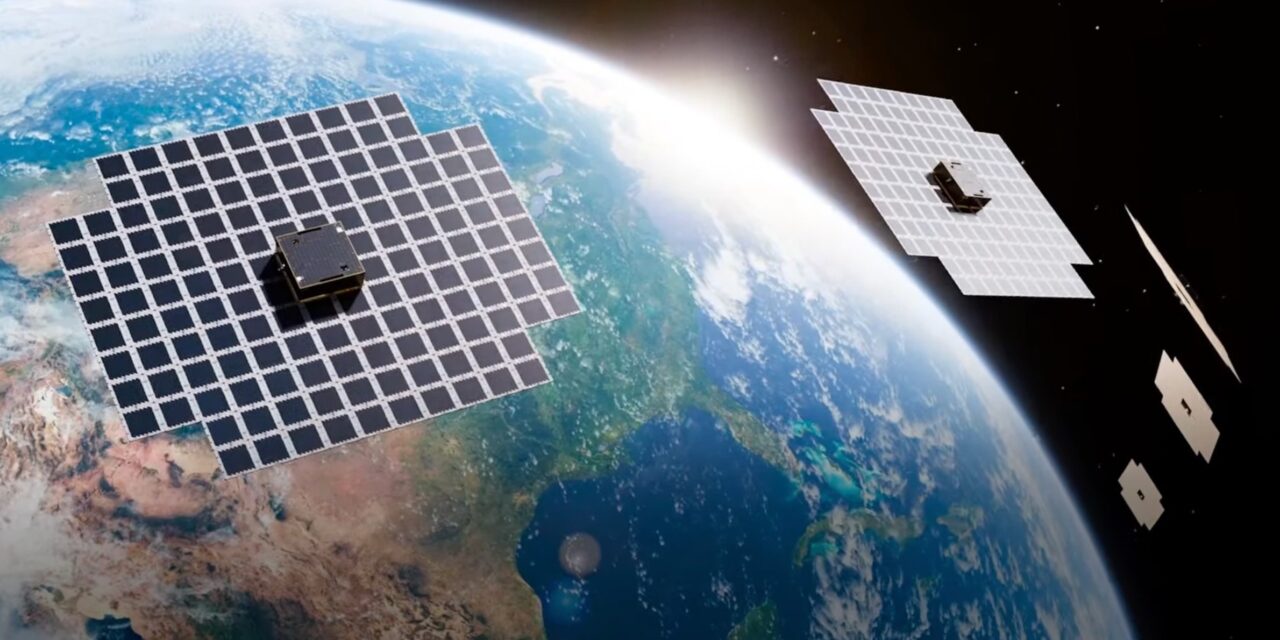
ASTS has gained 161% over the past year and is building what could genuinely become one of the most transformative telecommunications infrastructure projects of the decade. The BlueBird constellation, which uses large-array phased antenna technology deployed in low Earth orbit, is designed to provide direct-to-device cellular broadband to ordinary smartphones without any hardware modification, using the existing spectrum agreements and network infrastructure of partner carriers.
The commercial partner list is extraordinary: AT&T, Verizon, Vodafone, Rakuten, stc Group, Orange, Telefonica, CK Hutchison, Taiwan Mobile, and more than 50 mobile network operators collectively covering nearly 3 billion subscribers. The company has secured over $1.2 billion in aggregate contracted revenue commitments from those partners, and the stc Group prepaid $175 million as part of a 10-year regional agreement.
The technology has already demonstrated milestone performance. BlueBird 6, the largest commercial communications array antenna ever deployed in low Earth orbit, successfully unfolded in February 2026, and the company has confirmed peak data speeds expected to greatly exceed 120 Mbps. BlueBird 7 was launched on April 19 from Cape Canaveral aboard Blue Origin’s New Glenn rocket. The target remains 45 to 60 satellites in orbit by the end of 2026, with launches continuing every one to two months on average. The company holds a cash position of over $3.9 billion, making it well-funded to execute that deployment plan.
The near-term headwinds, however, are significant enough to explain the week’s volatility. The BlueBird 7 mission experienced a failure that will require AST to adjust its launch cadence. Bank of America estimated the setback could leave the company roughly seven satellites short of its 45-unit 2026 deployment target — a miss that matters because constellation density directly determines how much continuous coverage the network can provide and therefore how quickly commercial service revenue can begin scaling. The company confirmed that BlueBird 8 through 10 are in production and expected to ship within approximately 30 days, but each delay in the deployment schedule is a delay in the revenue ramp that the market has already priced in.
Analyst Tim Farrar’s SpaceX IPO warning generated additional pressure. The argument is that if SpaceX goes public — an event that has been rumoured and anticipated for years — Alphabet would face passive index-driven portfolio rebalancing that could force it to reduce its 25% stake in ASTS to something approaching 1%. An institutional seller of that scale exiting would create meaningful selling pressure regardless of the company’s underlying trajectory.
Earnings are due May 11, where investors will focus on Q1 revenue, satellite production status, and any updated guidance on the path to commercial service continuity. The 52-week range of $22.47 to $129.89 captures the full spectrum of this stock’s narrative swings. At $74, with a market cap around $28 billion and essentially no revenue yet, ASTS is a conviction-or-nothing investment. The technology works, the partners are real, the cash is there — but execution on the constellation build-out between now and year-end will determine whether the current price is justified or stretched.
