
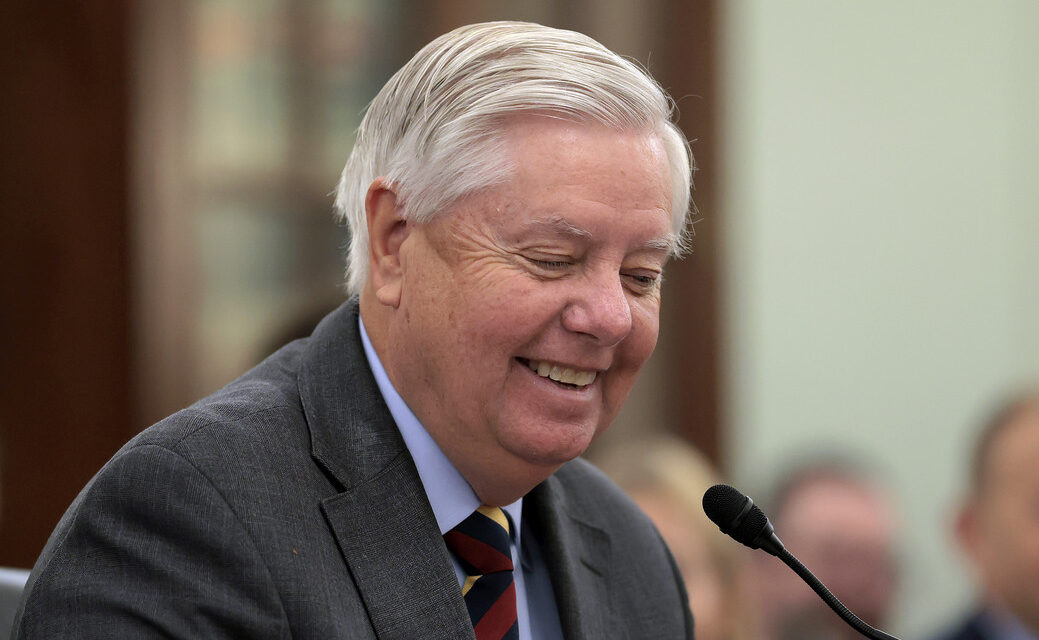
Lindsey Graham enters the 2026 South Carolina Senate primary with a significant financial advantage, a presidential endorsement and decades of name recognition. What he does not have is the same level of comfort as previous election cycles, because the Iran war that he helped engineer has become a genuine electoral vulnerability in ways that few of his advisers would have anticipated.
Trump endorsed Graham on April 10, posting on social media that Graham “is doing a fantastic job” and that challenger Mark Lynch “would be a DISASTER for the Republican Party.” The endorsement was notable both for its tone and its timing, arriving as the primary dynamics in the 14th-most-Republican state in the country had tightened unexpectedly. Lynch, a self-funding businessman, has loaned his campaign $5 million. Paul Dans, the Project 2025 director who had been running against Graham with Tucker Carlson’s backing, dropped out and endorsed Lynch on April 10, consolidating the anti-Graham vote behind a single challenger.
The financial gap remains enormous. Graham has raised more than $19 million for the cycle and hosted a Trump fundraiser at Mar-a-Lago that padded those numbers further. Lynch’s self-funded total is a fraction of that. Under normal circumstances, that disparity would end the conversation. But a Pulse Opinion Research poll from mid-March found that Lynch outperformed Graham on an “informed ballot,” meaning that when voters were briefed on each candidate’s record before answering, Graham’s lead narrowed significantly. The more voters know, the poll suggested, the less certain his victory becomes.
The Iran dimension is the structural risk that commentators from across the political spectrum are watching. Graham was one of the most prominent architects of the case for military action, traveling repeatedly to Israel and Gulf states to gather intelligence from foreign officials and carry messages back to Trump and other decision-makers. He has openly acknowledged that foreign intelligence services “tell me things our own government won’t tell me.” Whether that is a point of pride or a point of vulnerability in the June 9 primary depends on how South Carolina voters assess the war’s ongoing economic impact on their cost of living.
Gas prices remain elevated. The IMF cut the US growth forecast. And Graham this week drew attention by posting on social media that he hoped “speculation and rumors about yet another extension of the ceasefire” were “off base,” a message widely interpreted as him urging Trump to resume rather than wind down hostilities. “I fear the Iranians will play the same old game they always play, dragging things out by doing things like making menial concessions,” he wrote.
For an incumbent senator seeking a fifth term, any analysis that concludes the contest is competitive is itself unusual. Whether Lynch can convert poll-informed preference into actual June turnout against a candidate with Trump’s blessing and a $19 million war chest is a question with no settled answer.
