
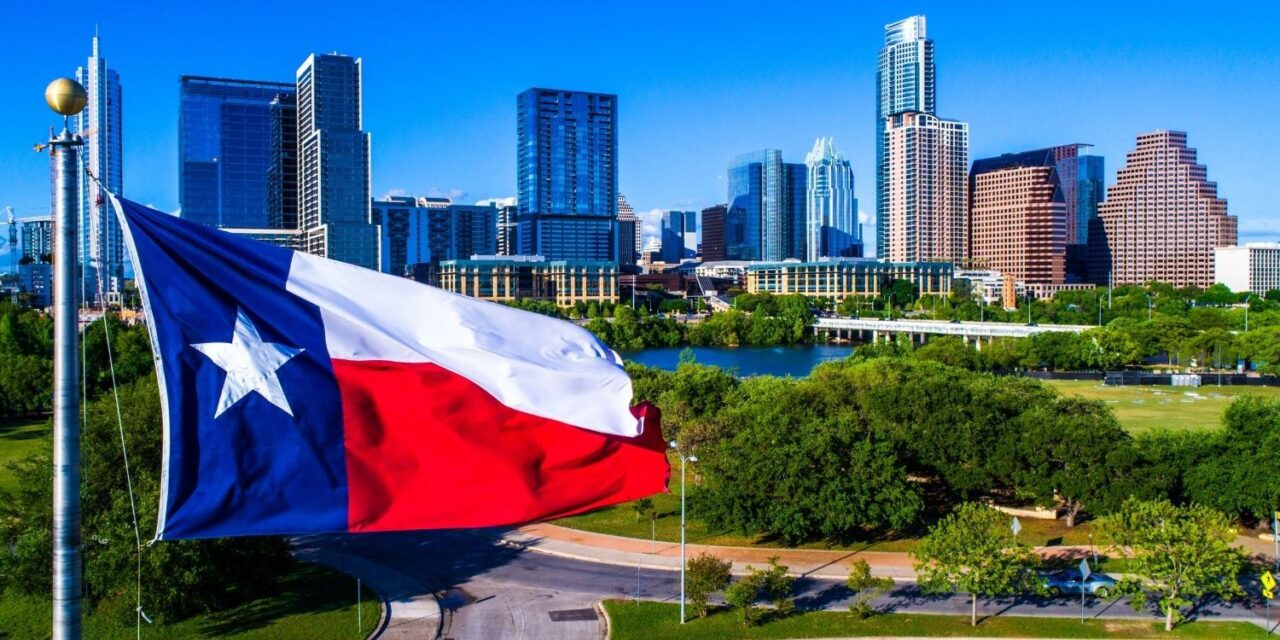
Gov.-elect Gina Hinojosa will soon control the levers of Texas state government in ways that reach far beyond the political symbolism of a blue Texas.
As agency leadership positions open up, Hinojosa can install her own picks atop the state Public Utility Commission and the Texas Commission on Environmental Quality, reshaping the regulatory landscape.
Democrats also secured all three contested seats on the appeals court that oversees cases originating from Texas business courts, giving the party a significant judicial foothold.
Hinojosa additionally gains authority to appoint judges directly to those business courts as vacancies arise, a power that corporate legal strategists in the state are watching closely.
Despite the scope of that authority, business leaders say the incoming Democratic administration shows little appetite for tearing down the pro-business framework that has long defined Texas economic policy.
Hinojosa and senior Democrats devoted the three weeks following the election to direct outreach with the business community, while also stacking their transition teams with industry-friendly figures.
Kelly Keel, CEO of the Texas Association of Business, has pointed to the 2027 legislative session as the moment that will truly test whether Democrats govern as pragmatists or ideologues on economic matters.
One transition figure, Evbagharu, signaled a shift in tone rather than a rupture with business interests, saying “I think there will be more conversations — it won’t just be industry-led.”
The reassurances arrive against a complicated backdrop, given that Hinojosa and fellow Democrats spent much of the campaign attacking billionaires and arguing that ordinary Texans had been sidelined by corporate policy influence.
The tension is sharpest around Elon Musk, whose midterm spending nationally exceeded $440 million, drawing scrutiny from incoming Texas Attorney General-elect Nathan Johnson, who said he may examine Musk’s business dealings within the state.
Hinojosa moved quickly on that front, asking the Texas Parks and Wildlife Commission during her first week in office to postpone a vote on transferring part of a state park to SpaceX.
Whether Democrats can sustain the economic trajectory that supporters have long marketed as the “Texas miracle” while satisfying their political base remains the central question hanging over Austin.
The next legislative cycle will reveal how durable the goodwill between the new Democratic majority and the Texas business establishment actually is.
